




Mr. Fang, Chinese, lung cancer with leptomeningeal metastasis
2025-11-20A Challenging Beginning
Mr. Fang’s cancer journey began five years ago and has been marked by unexpected turns.
In September 2020, he was diagnosed with EGFR L858R–positive lung adenocarcinoma. He received targeted therapy, chemotherapy, and radiotherapy, which initially brought the disease under control.
Though the situation was difficult, Mr. Fang and his family remained committed to treatment and hopeful for progress.
Rare Histologic Transformation
In 2021, a repeat biopsy revealed a rare change: his disease had transformed into small-cell lung cancer with neuroendocrine features — a shift seen in only a small percentage of patients with lung cancer.
This transformation made treatment more complex.
During therapy, Mr. Fang experienced significant side effects, including:
- Immune-related severe dermatitis
- Elevated cardiac enzymes
- Recurrent bone marrow suppression
Even during the toughest periods, he remained strong and determined.
His medical team monitored him closely and adjusted treatment to support him through each step.
Disease Progression
Over time, cancer spread to his bones, brain, liver, and lymph nodes.
With each new metastatic site, the care team reassessed his condition and worked with the family to explore the best possible treatment options.
A Serious Turn: Leptomeningeal Metastasis
In March 2025, Mr. Fang’s condition worsened suddenly.
He developed leptomeningeal metastasis, leading to:
- Impaired consciousness
- Weakness and paralysis
- Rapid decline in daily functioning
It was an extremely challenging moment for him and his family.
Intrathecal Treatment: A Turning Point
A Careful and Compassionate Decision
The thoracic oncology team at GoBroad Shanghai Cancer Hospital, led by Director Li Shuang, decided that controlling intracranial disease was the immediate priority.
After discussing different approaches, the family chose lumbar intrathecal therapy, a safe and effective way to deliver medication directly into the cerebrospinal fluid.
Throughout the process, the care team offered patient guidance, reassurance, and continuous support.
A Remarkable Improvement
Within days of the first intrathecal injection:
- Mr. Fang’s consciousness became clearer
- He began engaging with his doctors again
- By the third treatment, he could stand and walk with assistance
For his family, these changes were deeply meaningful — moments that brought comfort and renewed hope.
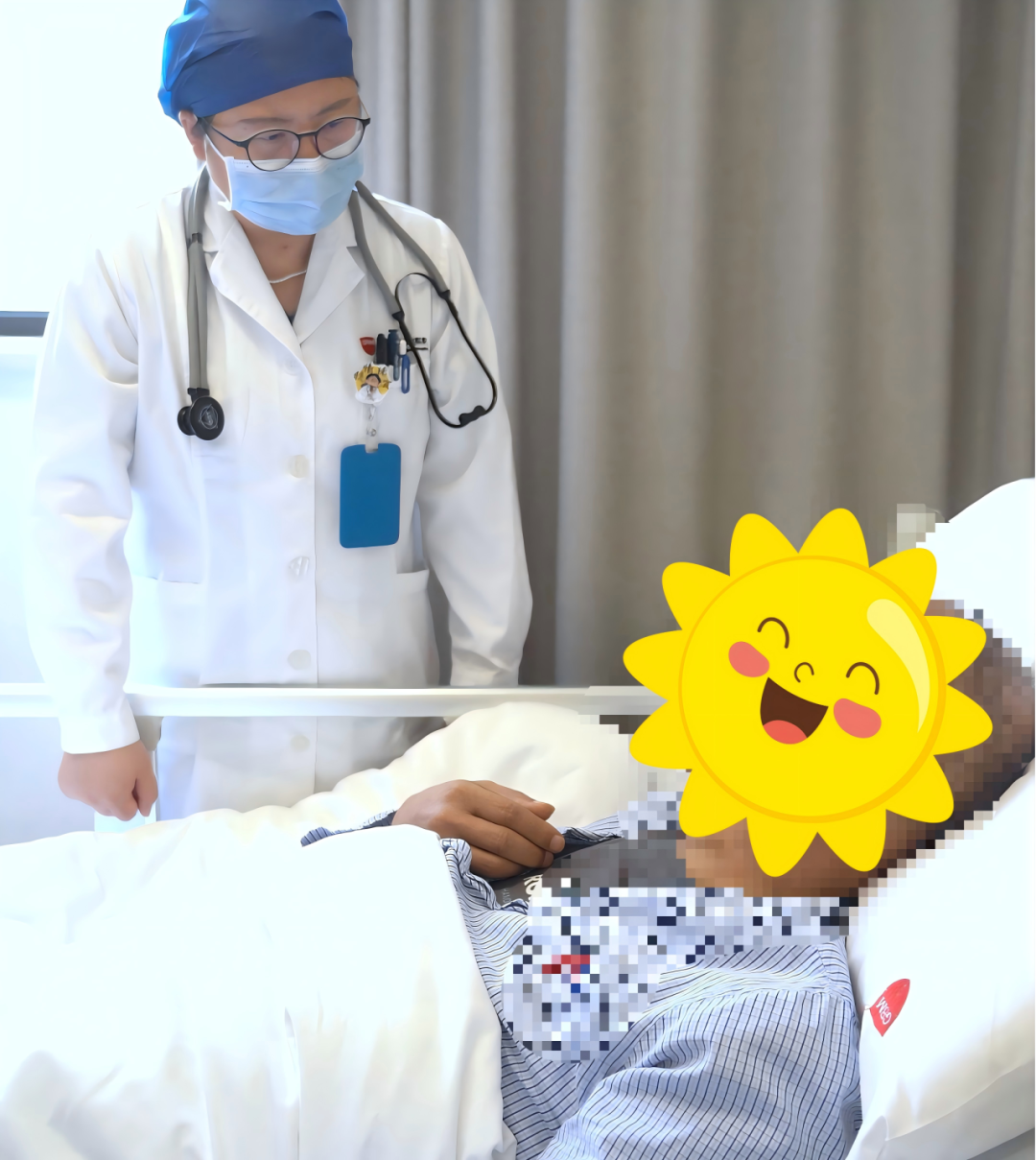
Comprehensive, Multidisciplinary Care
fter stabilizing his intracranial condition, Mr. Fang continued systemic therapy under a multidisciplinary team.
Doctors, nurses, and rehabilitation specialists worked closely to help him regain physical strength and restore his quality of life.
His family remained at his side, providing encouragement and emotional support throughout his recovery.
Looking Ahead
Mr. Fang’s experience reflects the importance of teamwork, medical expertise, and the strength of patients and families facing cancer together.
At GoBroad Healthcare Group, we remain committed to offering advanced treatment options grounded in compassion and respect.
We believe that continued progress in oncology will create more opportunities — and more hope — for patients like Mr. Fang.


