






Overview
Lung cancer is one of the leading causes of cancer-related deaths worldwide. It refers to malignant tumors that occur in the lungs and is mainly divided into two major categories:
- Non–small cell lung cancer (NSCLC): the most common type, including adenocarcinoma, squamous cell carcinoma, and other subtypes.
- Small cell lung cancer (SCLC): relatively rare, but grows and spreads more rapidly.
Identifying the correct category and subtype is essential for determining the optimal treatment strategy.
Common Symptoms
Early-stage lung cancer may present no obvious discomfort. As the disease progresses, patients may experience:
- Persistent cough or worsening of an existing cough
- Recurrent respiratory infections
- Coughing up blood or blood-streaked sputum
- Chest pain or pain when coughing
- Shortness of breath, fatigue, loss of appetite, and weight loss
Some patients may also develop hoarseness, difficulty swallowing, swelling in the face or neck, or clubbing of fingers and toes. If any of these symptoms occur, medical evaluation is recommended.
Diagnosis and Staging
A confirmed diagnosis of lung cancer usually requires a combination of tests. Imaging tests such as contrast-enhanced chest CT or PET-CT help assess the tumor’s size, location, lymph node involvement, and distant metastasis. Pathological examination—via bronchoscopy, percutaneous biopsy, or surgical sampling—is the gold standard for diagnosis and determines the tumor’s histological type.
Molecular profiling and immunological testing (e.g., EGFR/ALK mutations, PD-L1 expression) are also performed to guide targeted therapy and immunotherapy options.
Doctors will additionally assess disease stage in order to design a more precise and personalized treatment plan.
Treatment Options
Surgery
Primarily used for early-stage or localized lung cancer and is the preferred curative approach.
Radiotherapy
Suitable for patients who cannot undergo surgery, or for those with locally advanced disease or requiring symptom control. Precision radiotherapy can achieve surgery-like outcomes in selected early-stage cases.
Chemotherapy
A systemic treatment widely used as perioperative therapy, for locally advanced disease, or metastatic disease control. It remains a cornerstone of lung cancer management.
Targeted Therapy
For patients with specific driver gene mutations such as EGFR, ALK, ROS1, or HER2, targeted drugs can precisely inhibit tumor pathways and significantly improve outcomes and survival.
Immunotherapy
Immune checkpoint inhibitors (e.g., PD-1/PD-L1 inhibitors) restore the immune system’s ability to recognize and attack cancer cells and are important options for advanced or locally advanced disease.
Why Choose GoBroad?
The lung cancer expert team at GoBroad Healthcare Group (GoBroad) has extensive clinical and translational research experience. We are committed to aligning diagnosis and treatment with international standards, rapidly transforming scientific advances into clinical practice, and helping patients achieve longer survival and better quality of life. We focus not only on treating the disease, but also on comprehensive care throughout the patient journey.
Multidisciplinary Care (MDC): Supporting You from Diagnosis to Recovery
We adopt the internationally recognized MDC model, involving radiology, pathology, medical oncology, thoracic surgery, radiation oncology, interventional therapy, and supportive care teams. Together, they create personalized treatment and care plans to maximize effectiveness and safety.
Strong Access to Innovative Medicines
GoBroad actively drives the development and translation of innovative anticancer drugs and has helped multiple new therapies obtain approval in China. Through efficient introduction of global therapies covering various molecular targets, patients can access cutting-edge treatments early and achieve improved survival and quality of life.
Cutting-Edge Clinical Trials & Advanced Technologies
GoBroad is conducting multiple international, concurrent clinical studies that offer innovative immunotherapy and targeted therapy options. We have also introduced TIL therapy, organoid-on-chip platforms, and other advanced technologies to create new possibilities for patients with treatment-resistant or relapsed disease.
Expert Surgery & Intelligent Platforms for Precision and Safety
Our thoracic surgery team has completed thousands of high-complexity procedures and expertly applies open surgery, minimally invasive laparoscopy, and robot-assisted techniques. Supported by digital integrated operating rooms and advanced global equipment, we enable real-time imaging, remote consultation, and fine-precision operations—making every surgery a new starting point for recovery.
Precision Radiotherapy for Improved Effectiveness and Quality of Life
GoBroad is equipped with world-class radiotherapy technology. With precise positioning and individualized planning, we provide multiple radiotherapy options across disease stages. Treatment aims to effectively control tumors while minimizing harm to normal tissues, improving safety and comfort.
Our Achievements
The GoBroad lung cancer team has long been dedicated to advancing lung cancer treatment. We lead the development and clinical translation of innovative medicines, contributing to the approval of several new drugs in China. We also participate deeply in international multicenter research, allowing Chinese patients to benefit from global-synchronized therapies.
Additionally, our experts play key roles in drafting and updating authoritative guidelines and consensus statements, providing scientific and standardized references for clinical practice and continuously elevating the standard of lung cancer care in China.
These efforts not only strengthen GoBroad’s academic leadership in lung cancer but, more importantly, help patients achieve longer survival and better quality of life. GoBroad remains committed to enabling patients in China to access world-class, cutting-edge treatments.
The efficacy data are derived from published studies and GoBroad Healthcare Group’s long-term follow-up results. For medical reference only. Individual outcomes may vary depending on disease type and treatment plan. Please consult with a qualified physician for a personalized treatment strategy.
Patient Stories
A Challenging Beginning
Mr. Fang’s cancer journey began five years ago and has been marked by unexpected turns.
In September 2020, he was diagnosed with EGFR L858R–positive lung adenocarcinoma. He received targeted therapy, chemotherapy, and radiotherapy, which initially brought the disease under control.
Though the situation was difficult, Mr. Fang and his family remained committed to treatment and hopeful for progress.
Rare Histologic Transformation
In 2021, a repeat biopsy revealed a rare change: his disease had transformed into small-cell lung cancer with neuroendocrine features — a shift seen in only a small percentage of patients with lung cancer.
This transformation made treatment more complex.
During therapy, Mr. Fang experienced significant side effects, including:
- Immune-related severe dermatitis
- Elevated cardiac enzymes
- Recurrent bone marrow suppression
Even during the toughest periods, he remained strong and determined.
His medical team monitored him closely and adjusted treatment to support him through each step.
Disease Progression
Over time, cancer spread to his bones, brain, liver, and lymph nodes.
With each new metastatic site, the care team reassessed his condition and worked with the family to explore the best possible treatment options.
A Serious Turn: Leptomeningeal Metastasis
In March 2025, Mr. Fang’s condition worsened suddenly.
He developed leptomeningeal metastasis, leading to:
- Impaired consciousness
- Weakness and paralysis
- Rapid decline in daily functioning
It was an extremely challenging moment for him and his family.
Intrathecal Treatment: A Turning Point
A Careful and Compassionate Decision
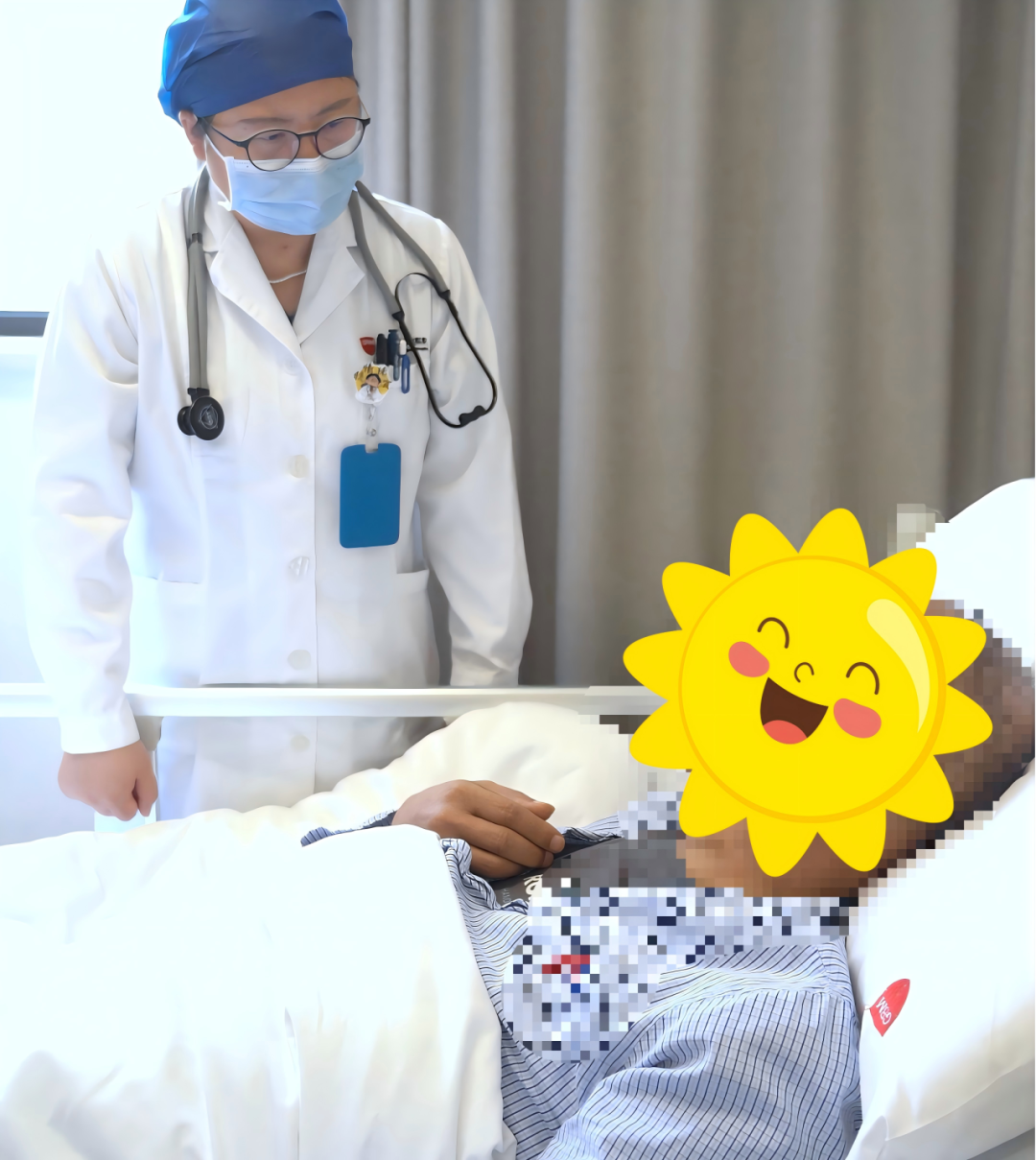
The thoracic oncology team at GoBroad Shanghai Cancer Hospital, led by Director Li Shuang, decided that controlling intracranial disease was the immediate priority.
After discussing different approaches, the family chose lumbar intrathecal therapy, a safe and effective way to deliver medication directly into the cerebrospinal fluid.
Throughout the process, the care team offered patient guidance, reassurance, and continuous support.
A Remarkable Improvement
Within days of the first intrathecal injection:
- Mr. Fang’s consciousness became clearer
- He began engaging with his doctors again
- By the third treatment, he could stand and walk with assistance
For his family, these changes were deeply meaningful — moments that brought comfort and renewed hope.
Comprehensive, Multidisciplinary Care
fter stabilizing his intracranial condition, Mr. Fang continued systemic therapy under a multidisciplinary team.
Doctors, nurses, and rehabilitation specialists worked closely to help him regain physical strength and restore his quality of life.
His family remained at his side, providing encouragement and emotional support throughout his recovery.
Looking Ahead
Mr. Fang’s experience reflects the importance of teamwork, medical expertise, and the strength of patients and families facing cancer together.
At GoBroad Healthcare Group, we remain committed to offering advanced treatment options grounded in compassion and respect.
We believe that continued progress in oncology will create more opportunities — and more hope — for patients like Mr. Fang.


