






Overview
Leukemia is a type of blood cancer that originates in the bone marrow. When genetic mutations occur in the DNA of hematopoietic stem cells during development, abnormal cells begin to proliferate rapidly and replace healthy blood cells, leading to a reduction of normal cells in both blood and bone marrow. These cancerous cells may also spread to other organs such as the liver, lymph nodes, spleen, and skin.
Leukemia is mainly categorized into four types: acute lymphoblastic leukemia (ALL), acute myeloid leukemia (AML), chronic lymphocytic leukemia (CLL), and chronic myeloid leukemia (CML) — each differing in pathogenesis, clinical presentation, and treatment approach.
Clinical symptoms are mostly related to a decrease in normal blood cells. Common manifestations include fatigue, weakness, fever, recurrent infections, night sweats, and a tendency to bleed or bruise easily, such as gum bleeding, nosebleeds, or skin purpura. Some patients experience shortness of breath due to anemia. As these symptoms overlap with other conditions, early-stage leukemia can sometimes be difficult to recognize.
Treatment Options
Leukemia treatment must be tailored according to the disease subtype, molecular characteristics, patient age, and overall health. The following are the major treatment approaches currently used in clinical practice:
Chemotherapy
Chemotherapy remains the cornerstone of leukemia treatment. Drugs are administered orally or intravenously to target rapidly dividing cells and destroy leukemic cells. Treatment is delivered in cycles, with recovery periods between courses to allow the body to heal.
Targeted Therapy
Targeted drugs block specific molecular pathways essential for leukemia cell growth.
For example, tyrosine kinase inhibitors (TKIs) are used in chronic myeloid leukemia (CML) to inhibit the BCR-ABL fusion protein, effectively controlling the disease. Targeted agents against FLT3, IDH, and other mutations have also been introduced for subtypes of acute myeloid leukemia (AML), offering new treatment choices for specific molecular profiles.
Immunotherapy
Immunotherapy has achieved major breakthroughs in leukemia management, mainly including:
- Monoclonal antibodies: such as those targeting CD20 or CD22, effective for certain B-cell leukemias.
- Bispecific antibodies (BiTEs): capable of binding both T cells and leukemic cells to enhance immune killing.
- CAR-T cell therapy: patient-derived T cells are genetically engineered to recognize leukemia-specific antigens, showing remarkable efficacy in relapsed or refractory B-ALL.
Hematopoietic Stem Cell Transplantation
Hematopoietic stem cell transplantation (HSCT) is a critical therapeutic option that can lead to long-term remission or even cure in some leukemia patients.
• Autologous transplantation: collection of the patient’s own stem cells, followed by reinfusion after high-dose chemotherapy.
• Allogeneic transplantation: stem cells from an HLA-matched donor are used to reconstitute hematopoiesis and immune function. This approach is vital for high-risk or relapsed cases, though it carries risks of graft-versus-host disease (GVHD) and infection.
Why Choose GoBroad?
As a leading hematology center, GoBroad Healthcare Group provides innovative therapies to help improve your chances of successful treatment.
1. CAR-T Cell Therapy — Single-target CAR-T therapies such as CD19 applied in the treatment of relapsed or refractory acute leukemia.
2. Hematopoietic Stem Cell Transplantation — For patients with relapsed or refractory acute leukemia, GoBroad performs hematopoietic stem cell transplantation across a wide age range (from 1 month to 76 years), with several thousand transplants completed to date.
The innovative TCRαβ-T Cell Depleted Haploidentical (TDH) transplantation technique removes TCRαβ T cells that cause graft-versus-host disease (GVHD), significantly reducing GVHD incidence and eliminating the need for immunosuppressive therapy.
3. Combination Therapy — GoBroad also explores integrated treatment strategies combining CAR-T therapy with chemotherapy, targeted therapy, and stem cell transplantation, offering new hope for patients with relapsed or refractory acute leukemia.
Precision Diagnosis and Personalized Treatment
Successful treatment begins with accurate diagnosis. Our experts specialize in identifying subtle disease features that may be overlooked elsewhere.
The GoBroad Precision Diagnostics Center, led by a team with more than 30 years of diagnostic experience, integrates five key modules — pathology, morphology, immunology, cytogenetics, and molecular biology (MICM) — and, through multidisciplinary collaboration, delivers precise and comprehensive diagnostic reports.
Supported by cutting-edge technologies including mass spectrometry, flow cytometry, and next-generation sequencing (NGS), the center conducts over 1,500 diagnostic tests covering the full spectrum of hematologic and solid tumors, providing a strong foundation for cellular and immunotherapy.
We tailor each treatment plan based on individual risk factors and disease characteristics, selecting therapies that are both effective and minimally invasive. Whether outpatient or inpatient, GoBroad’s integrated care system ensures professional and compassionate support at every stage of treatment.
Our Achievements
CAR-T Therapy for Relapsed/Refractory Leukemia
- CD19 CAR-T therapy for R/R B-ALL: CR rate over 90%
- CD22 CAR-T therapy for patients relapsing after CD19 CAR-T: CR 71%, MRD negativity ~100%
- Sequential CD19/CD22 CAR-T post-transplant for R/R B-ALL: 12-month OS 88.5%, 18-month OS 67.5%
- First global study on sequential CD19-CD22 CAR-T therapy in pediatric R/R B-ALL: 1-year EFS 79.5%, OS 92.3%
- CD19 CAR-T therapy for relapsed/refractory non-B-cell acute leukemia (AML, T-ALL): CR 62.5%
- Donor-derived CD7 CAR-T for R/R T-ALL: CR 90%, ORR 95%, CR 85% (median follow-up 27.0 months)
- Donor-derived CD5 CAR-T for R/R T-ALL: 100% achieved CR or CRi by day 30 post-infusion.
Hematopoietic Stem Cell Transplantation for Relapsed/Refractory Leukemia
- Allo-HSCT following CAR-T remission for R/R B-ALL: 1-year OS 87.7%, LFS 73.0%
- Personalized conditioning and post-transplant maintenance in R/R AML: 2-year DFS 48.6%, OS 56.4%
- Second transplantation: 1-year DFS 72.5%, OS 80.6%
- Sequential CD19/CD22 CAR-T bridging allo-HSCT for R/R B-ALL: 1-year OS 87.7%
- Triple-modality therapy combining CAR-T, UCB, and TDH transplantation for R/R acute leukemia: OS 96%, DFS 96%
- Pediatric R/R-ALL treated with CAR-T followed by TDH transplantation without GVHD prophylaxis: OS 90.4%, LFS 86.5%
The efficacy data are derived from published studies and GoBroad Healthcare Group’s long-term follow-up results. For medical reference only. Individual outcomes may vary depending on disease type and treatment plan. Please consult with a qualified physician for a personalized treatment strategy.
Patient Stories
Margaret never expected that a routine blood test during pregnancy would change everything. What started as a standard check quickly led to a diagnosis of T-cell acute lymphoblastic leukemia—an aggressive and complex disease.
She began treatment in her home country and responded well at first. But her journey soon became unpredictable. After giving birth, the disease returned, this time involving her central nervous system. Even after multiple rounds of treatment, it continued to come back.
Looking for new options, Margaret traveled to GoBroad Healthcare Group.
Under the leadership of Dr. Yajing Zhang, the medical team designed a CD7 CAR-T cell therapy approach tailored to Margaret’s condition. This treatment helped bring her disease back under control and provided a much-needed period of stability, though her journey was far from over.
Over the following months, Margaret faced one challenge after another—relapse, complications from treatment, and severe infections involving multiple pathogens. At one point, her condition became extremely fragile. Managing the disease was no longer just about fighting leukemia, but also about helping her body withstand everything that came with it.
Throughout this time, a multidisciplinary team worked closely together to support her. Treatments were adjusted constantly. Infections were addressed one by one. Every small improvement mattered.
As her condition gradually stabilized and remission was achieved again, Margaret was successfully transitioned to the Hematopoietic Stem Cell Transplant Center at GoBroad. There, she proceeded to a stem cell transplant using her father as a haploidentical donor—an essential step offering the best chance for long-term disease control. The transplant was not without risks, but Margaret held on. With careful monitoring and continuous support, she made it through the most difficult phase.
By the time she was ready to leave the transplant unit, her condition was stable, her infections were under control, and there was no sign of active disease. Before she left, Margaret wrote a short-handwritten note to the team who had cared for her. There were no long speeches—just simple words of thanks.
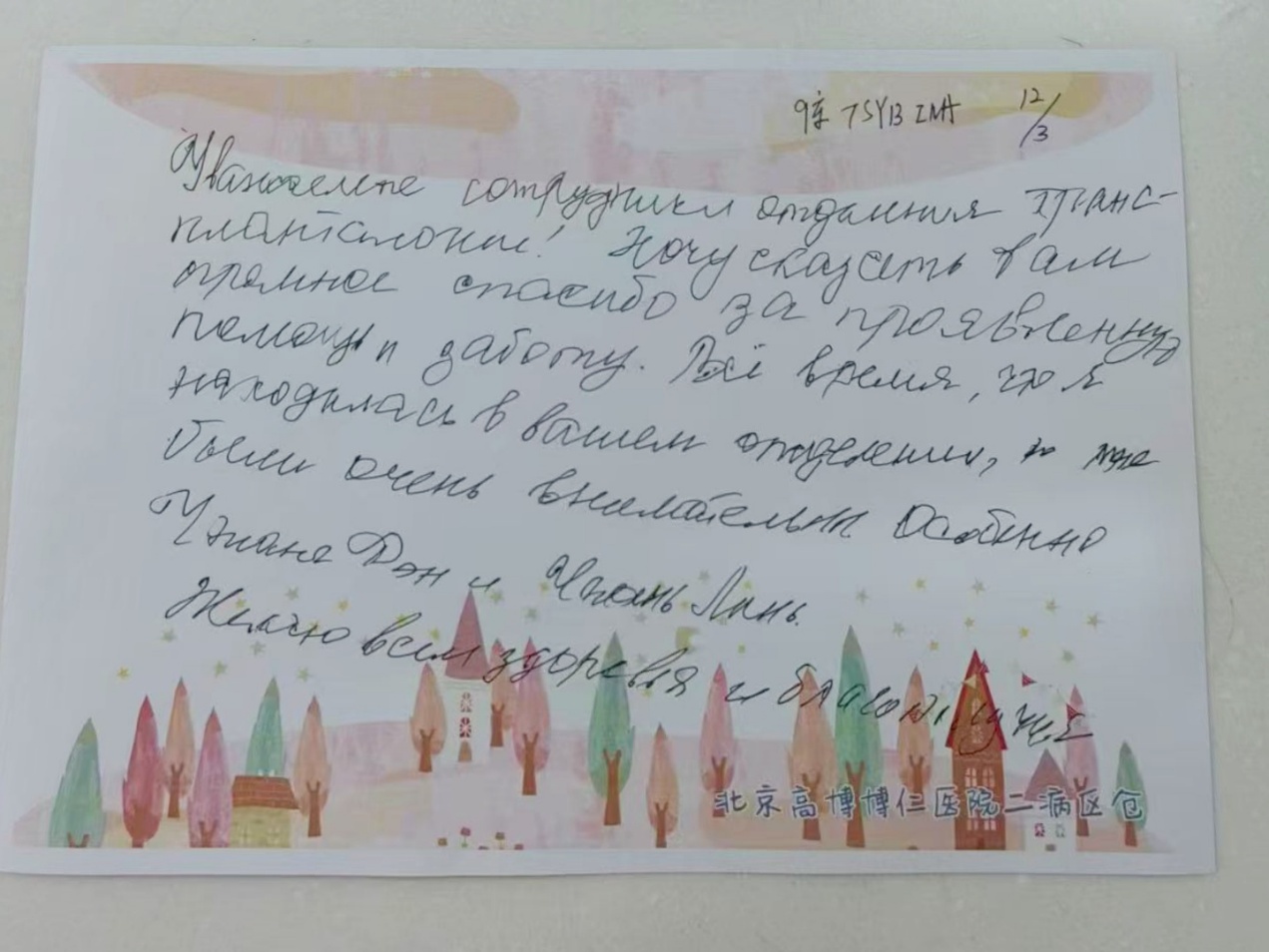
But behind those words was everything she had been through: uncertainty, resilience, and the quiet determination to keep going. At GoBroad Healthcare Group, stories like Margaret’s are not just about treatment—they are about partnership, trust, and the strength it takes to move forward, one step at a time.


Blood cancers often require long and complex treatment journeys. Behind every patient's recovery is not only advanced medical care, but also the unwavering support of family. At GoBroad Healthcare group, many patients face these challenges with the help of their loved ones.
Mr. Xu and his wife, Mrs. Dai, are one such family.
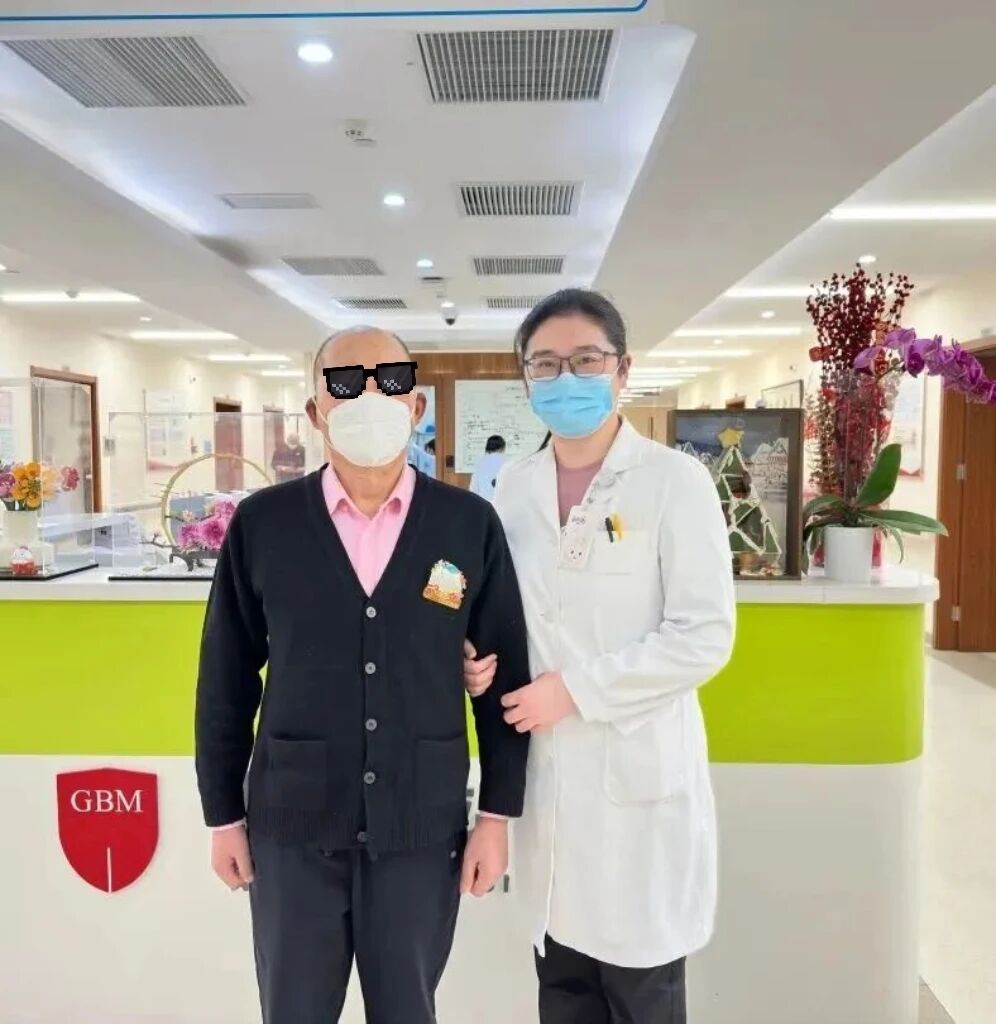
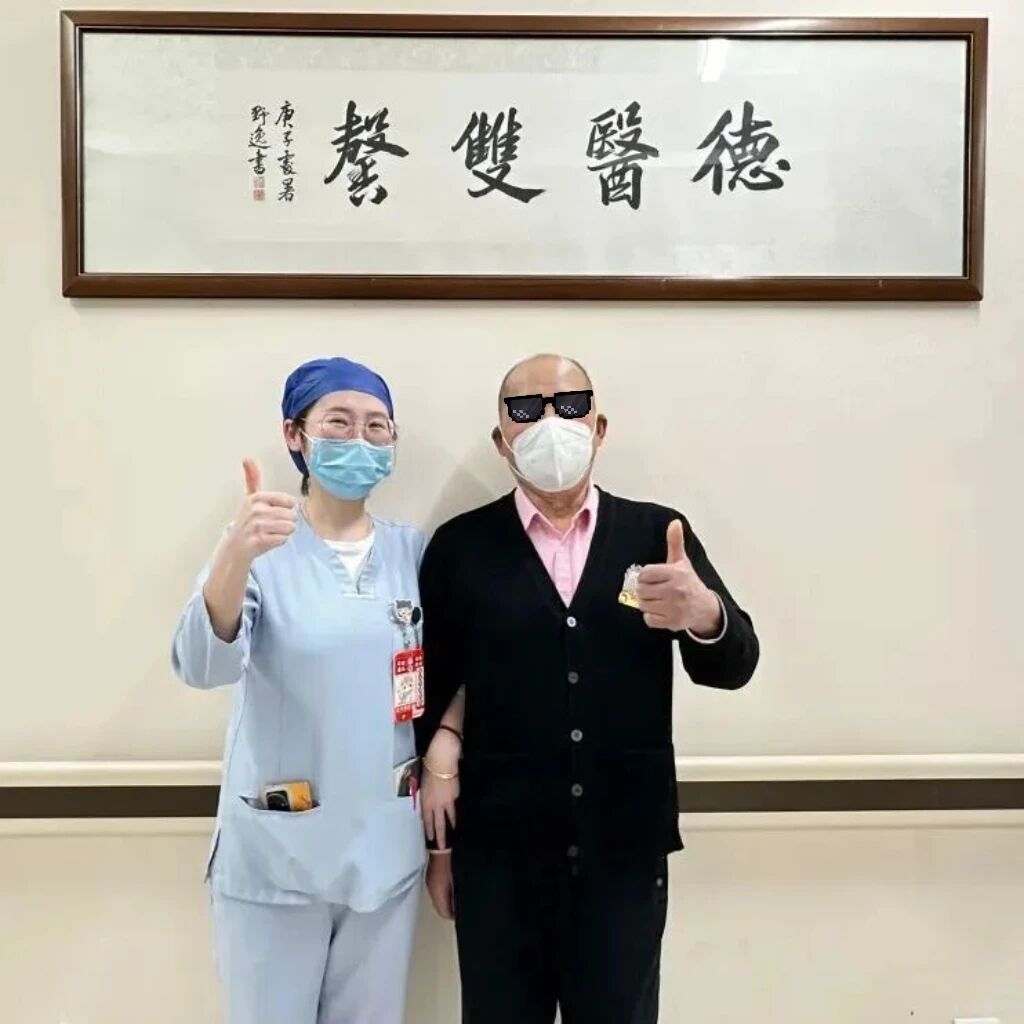
Recently, 63-year-old Mr. Xu celebrated an important milestone at the hospital — five years of complete remission after stem cell transplantation. During the ceremony, he presented flowers to his wife, thanking her for standing by his side throughout seven years of treatment and recovery.
An Unexpected Diagnosis
Mr. Xu's journey began in March 2019 when he sought medical attention for persistent headaches and unexplained fever. In April, he was diagnosed with Philadelphia chromosome-positive acute lymphoblastic leukemia (Ph-positive B-ALL), an aggressive type of blood cancer.
During initial chemotherapy treatment, he developed a severe fungal infection in the lungs accompanied by pleural effusion, which temporarily interrupted therapy. After consultations at several hospitals, Mr. Xu continued his treatment under the guidance of hematology specialists.
In early 2020, he was admitted to GoBroad Healthcare Group, where the medical team conducted a comprehensive evaluation and designed a personalized treatment plan combining chemotherapy and targeted therapy.
A Turning Point After Relapse
In August 2020, Mr. Xu developed facial swelling and pain. Further examinations confirmed that the leukemia had relapsed.
After careful assessment, the medical team recommended allogeneic hematopoietic stem cell transplantation, which offered the best chance for long-term disease control.
Through the China Marrow Donor Program, a suitable donor was successfully identified. In February 2021, Mr. Xu underwent the transplant procedure and recovered smoothly from the transplantation phase.
For Mr. Xu and his family, however, the transplant marked the beginning of a long recovery process.
The Long Road to Recovery
The months following transplantation were challenging. Mr. Xu experienced complications such as severe oral mucositis and gastrointestinal symptoms, which required careful monitoring and supportive care.
Throughout this period, Mrs. Dai became his primary caregiver. She carefully followed medical guidance regarding hygiene, nutrition, and infection prevention, helping to create a safe recovery environment at home.
With regular medical follow-ups and comprehensive supportive care, Mr. Xu's immune system gradually recovered and his physical condition steadily improved.
Five Years Later
Today, Mr. Xu has reached an important milestone — five years in remission after stem cell transplantation.
At the hospital's commemorative ceremony, he received a symbolic badge marking this achievement.

Reflecting on his journey, Mr. Xu shared:
"From diagnosis to transplant and long-term follow-up, the doctors and nurses have always been there for us. Their expertise and dedication helped me take each step forward."
For Mr. Xu and his family, the badge represents more than recovery. It stands as a reminder of the partnership between patients, families, and medical teams in overcoming serious illness.
Marina is a 61-year-old woman from Russia. After being diagnosed with acute T-lymphoblastic leukemia (T-ALL), she began a long and challenging course of treatment.
When Challenges Returned After Transplant
In April 2025, Marina underwent an allogeneic hematopoietic stem cell transplant in her home country. For her and her family, it was an important step forward and carried hope for lasting remission.
Three months later, follow-up testing revealed measurable residual disease (MRD) in her bone marrow, with a small but concerning level of malignant cells (0.014%). Immunotherapy was attempted locally, but the disease continued to show signs of progression. At the same time, Marina developed mild skin graft-versus-host disease.
For an older patient facing immune-related relapse after transplantation, treatment options are limited and the overall situation becomes significantly more complex.
Re-evaluating Treatment in China
After careful consideration, Marina traveled to China for further evaluation. A multidisciplinary team led by Dr. Zhao Defeng at GoBroad Healthcare Group performed a comprehensive reassessment of her disease. The results showed that her leukemia cells predominantly expressed the CD7 antigen.
Following detailed discussions with Marina, the team first initiated immuno-targeted therapy to stabilize her condition. Based on her disease profile and treatment history, a decision was then made to proceed with CD7 CAR-T cell therapy.
The GoBroad team has extensive experience treating T-cell malignancies with CAR-T cell therapy, including complex cases involving older patients and post-transplant relapse, allowing for highly individualized risk assessment and clinical management.
Navigating Treatment and Side Effects
After CAR-T cell infusion, Marina developed a high fever as the infused cells began to expand in her body. Her main side effect was cytokine release syndrome (CRS), primarily presenting as fever, along with a temporary drop in oxygen levels.
Given her underlying heart and lung conditions, the medical team closely monitored her and intervened promptly when needed. With careful and standardized management, Marina successfully passed through the CRS phase without serious complications.
A Meaningful Milestone
On day 13 after CAR-T infusion, a bone marrow examination showed that MRD was no longer detectable, indicating a deep remission.
At the same time, next-generation sequencing (NGS) covering more than 300 genes identified eight previously undetected genetic mutations. These findings provided valuable guidance for future treatment planning, including the possibility of targeted therapies.
Looking Ahead
With a positive response achieved, Marina plans to return home to prepare for further stem cell transplantation. Based on her individual risk profile, the medical team recommended early post-transplant maintenance therapy with targeted agents to help reduce relapse risk and support long-term disease control.
A Journey Still Unfolding
Marina’s treatment journey has been anything but easy. She has faced transplantation, relapse, and difficult decisions involving high-risk therapies. Through careful evaluation, thoughtful planning, and close collaboration between patient and medical team, she has now reached an important turning point.
Her story is still unfolding—guided by caution, experience, and a shared commitment to achieving the best possible long-term outcome.
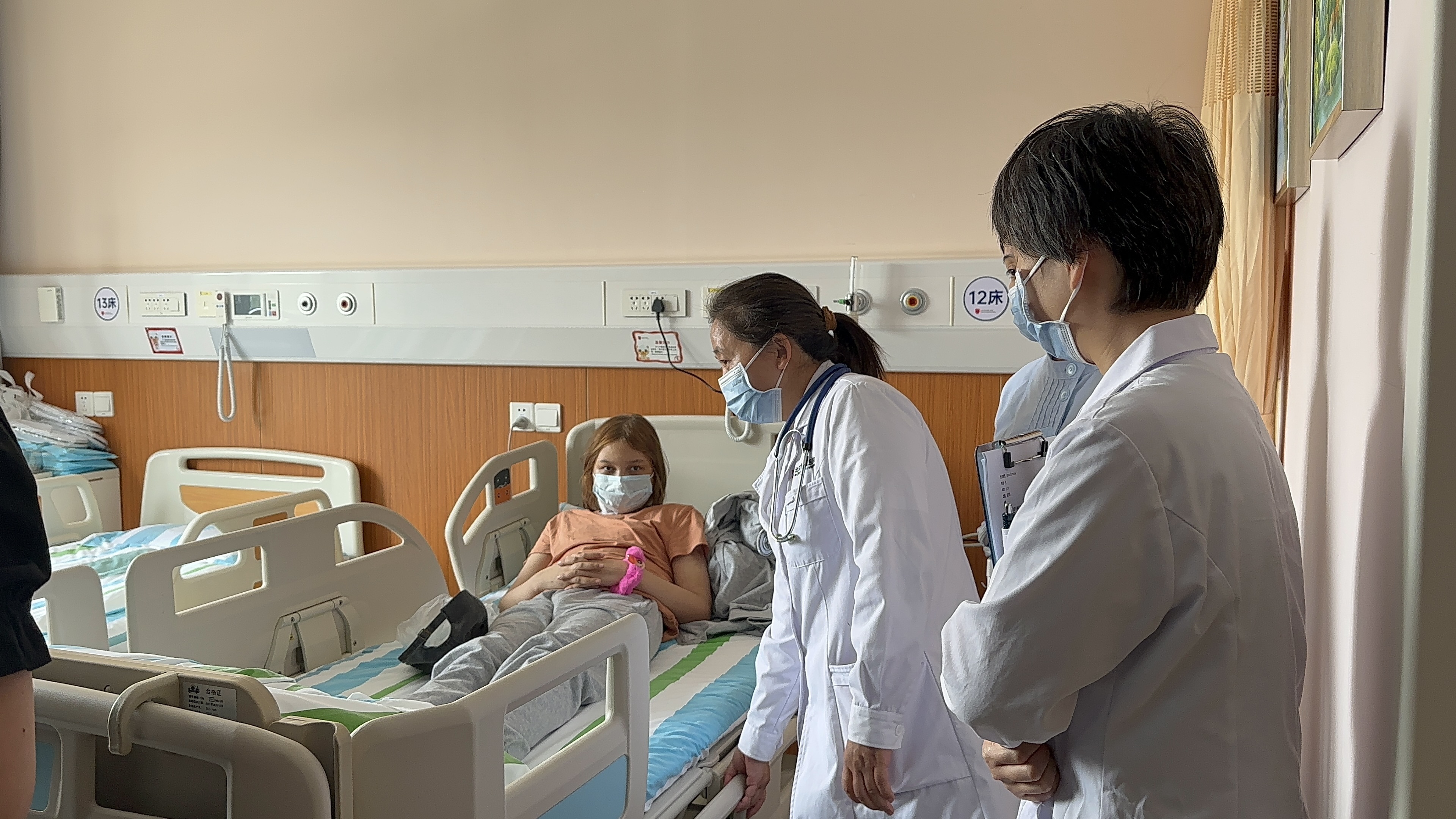
Savina, a 14-year-old girl from Russia, has been fighting acute B lymphoblastic leukemia for nearly 8 years. She has undergone multiple courses of chemotherapy, radiotherapy, hematopoietic stem cell transplantation, targeted drugs, antibody drugs, and even two rounds of dual-target CD19/CD22 CAR-T therapy. However, each remission was short-lived, and the disease returned again and again.
In the spring of 2025, Savina experienced a full relapse, accompanied by severe extramedullary lesions and infections. Many believed she had entered the terminal stage, with no chance of recovery.
A Difficult Course and a Hard Choice
Before arriving at Beijing GoBroad Boren Hospital, Savina had been through prolonged ICU care and anti-infection supportive treatment, exhausting almost all available medical options. Her organ function, blood counts, and infection control were at their limits.
After multiple online consultations with doctors at Boren Hospital, the team concluded that another attempt at CAR-T cell therapy could be considered. However, due to her fragile physical condition, impaired organ function, and ongoing infections, the treatment carried high risks. Her parents, unwilling to give up, decided to bring her to Boren Hospital for treatment. Their persistence deeply moved everyone and became the turning point in her medical journey.
Challenges and Strategies — The Art of Precision and Balance
Upon admission, Savina presented with a heavy tumor burden in both bone marrow and extramedullary sites, as well as an unhealed, infected wound on her leg. The medical team developed a “dual-track” approach:
- Track 1: Provide strong anti-infection therapy and nutritional support to stabilize her overall condition.
- Track 2: Administer blood-count-friendly chemotherapy combined with targeted therapy that could penetrate extramedullary lesions, aiming to control disease progression and gradually reduce tumor load.
During this process, the medical team carried out what could be described as the most comprehensive molecular and cytogenetic testing available internationally. Results revealed that her leukemia cells harbored multiple uncommon fusion genes and a TP53 deletion — crucial findings for guiding precise medication choices and evaluating treatment efficacy.
CAR-T Breakthrough and Seamless Transition to Transplant
When the timing was right, the team administered high-quality donor-derived CD19 CAR-T cell infusion. One month later, assessments showed deep remission in her bone marrow, cerebrospinal fluid, and extramedullary lesions, with fusion genes turning negative — paving the way for bridging to transplantation.
GoBroad’s success in achieving CAR-T therapy under such critical conditions was due to several key advantages:
- A mature and stable CAR-T cell preparation and quality control system, ensuring high-activity, high-potency infused cells.
- A clinical team with extensive experience in treating complex cases, able to precisely time treatment by balancing infection control, tumor reduction, and overall condition improvement.
- Tight multidisciplinary collaboration, with CAR-T and transplantation teams engaging early to enable seamless post-remission bridging to transplant.
- Rigorous monitoring and timely complication management before, during, and after CAR-T therapy, ensuring both efficacy and safety.
- Integrated diagnostics and treatment from the clinical and laboratory teams, providing sensitive and specific monitoring indicators for disease status and offering targeted maintenance therapy options for follow-up care. Genetic susceptibility analysis also optimized donor selection.
These factors together formed a solid foundation for successful CAR-T treatment and subsequent therapy.
More Than Medicine — A Human Touch
As a foreign patient, Savina faced language and cultural barriers that could cause anxiety. The care team went beyond medical treatment, attending to her and her family’s daily needs: arranging interpreters for key communications, providing dietary suggestions aligned with her eating habits, and using pain-free techniques during wound care and punctures to minimize trauma.
Such meticulous care gradually built a deep trust between the family and the medical team.

Continuing Hope
Savina has now smoothly entered the transplantation preparation stage. Her parents have expressed that even if long-term maintenance therapy is needed in the future, they are willing to stay here — not only because of the advanced medical technology, but also because of a team that truly treats patients like family.
We wish Savina the very best in the next stage of her treatment, hoping she will recover soon and embrace the youth and smile that belong to her.
65-year-old Mrs. Cai, once a passionate ballroom dancer enjoying her golden years, saw her life upended in January 2025. While the world welcomed the New Year, she received a diagnosis of acute leukemia, casting a dark shadow over her and her family.
Mrs. Cai's condition was complex and progressed rapidly. Even after two rounds of chemotherapy, she failed to reach remission, and her physical condition deteriorated. However, with the steadfast support of her husband, Mr. Wang, she bravely fought the disease. In March 2025, she underwent a haploidentical hematopoietic stem cell transplant at GoBroad Shanghai Zhaxin Hospital, with her beloved son as the donor. Her 37 days in the sterile transplant ward were filled with uncertainty and challenge, but she emerged successfully, thanks to her resilience and the dedicated medical care. She was discharged the same day. Today, her disease is in complete remission and her health continues to improve.
Mr. Wang, her husband and retired physics teacher with over 40 years of service in education, became her unwavering guardian. Since the diagnosis, he has been by her side every day. He keeps a treatment diary titled "Dialogues with Love," documenting their daily conversations, meticulous caregiving routines, personalized nutrition plans, and fluctuating medical data. He recently wrote a heartfelt thank-you letter to the medical team at Zhaxin, expressing profound gratitude and reflecting on their shared journey. His words are a testament to the enduring love of a couple married for nearly 50 years.
We had the honor of interviewing Mrs. Cai and Mr. Wang. Through their story, we hope to inspire confidence in patients facing similar challenges and provide practical caregiving insights to families.
Q: How did Mrs. Cai first show signs of illness? What were your initial reactions upon the leukemia diagnosis?
A: In mid-October 2024, my wife experienced persistent high fever for nine days. Despite four hospital visits, the cause remained unknown. She was eventually hospitalized, where full-body rashes were first misdiagnosed as lupus but later confirmed as erythema nodosum. After treatment, the fever subsided, but swollen lymph nodes were discovered. Initially attributed to infection, further checks revealed mild thrombocytopenia. It wasn't until New Year's Day 2025, during a family dinner, that two doctor friends noticed the persistent lymph node swelling. Concerned, we admitted her to the hematology department mid-January.
Following a series of tests including a bone marrow biopsy, the diagnosis of acute leukemia was confirmed. The news hit me like a bolt from the blue. I was completely overwhelmed, anxious, and fearful. The future, once bright, was instantly thrown into turmoil.
Our son immediately returned from another city. During our urgent search for treatment options, we learned about Dr. Wang Chun's esteemed team at GoBroad Shanghai Zhaxin Hospital. Recognizing the hospital's strong reputation in hematological treatment, we rushed to secure a bed in late January and began treatment.
Q: Given her age and unremitted condition, how did you come to decide on an allogeneic transplant?
A: When we arrived, patient services representative Ms. Li Jing helped us settle in quickly. After thorough assessments, my wife was diagnosed with acute mixed phenotype leukemia. Dr. Wang Chun and Dr. Jiang Ying developed a treatment plan and explained the severity of the disease. They issued a critical condition notice and proposed two cycles of chemotherapy followed by evaluation.
Unfortunately, the results were poor. Leukemic cells surged while normal cells couldn't survive. Dr. Wang advised a stem cell transplant, warning that chemotherapy alone would not work. He used a vivid analogy: "You're trying to clear weeds without planting good seeds; weeds just return. Only by introducing new stem cells to build a new immune system can we truly solve the problem."
After thorough research, including speaking with a friend who had undergone a transplant a decade ago, and asking about donor risks (Dr. Wang likened it to a blood donation), we agreed. The donor would be our son. Dr. Wang told us survival rates are just statistics—for each individual, it’s either 0 or 100%. We took the leap.
Post-transplant, the outcome was just as Dr. Wang predicted. During our first follow-up, he warmly greeted us with, "Ah, our friends from Jiangxi!" and smiled after hearing the good test results.
Q: What key advice or support did the doctors give you that built your confidence?
A: My wife underwent two rounds of chemotherapy without achieving remission. Facing life-or-death decisions, Dr. Wang and Dr. Jiang carefully explained the benefits and risks of a transplant under such conditions. Their honesty and the promise that "there are no absolutes in medicine, but we will do everything we can" gave us hope.
Dr. Jiang explained every detail of the transplant process and its risks. The transplant ward staff also provided excellent education about hygiene, nutrition, and daily life. On the day we moved into the transplant ward, Dr. Huixia LIU reassured me: "Leave her to me. If I don't call, that means everything is fine."
Even though I couldn't see the medical staff in the BMT unit, my wife shared that Dr. Liu visited daily, always smiling and saying, "Here I am." Dr. Liu was meticulous in addressing every detail—from rejection prevention to meal planning. Under their care, my wife felt safe, free of panic or anxiety.
The most unforgettable moment came on April 10. Dr. Liu casually mentioned, "I'm planning to wrap this up all at once. She can be discharged on April 17." We were overwhelmed with joy. We expected a long fight, but the team delivered an early victory.
At our first outpatient visit after discharge, Dr. Liu, who also practices traditional Chinese medicine, praised my wife's recovery. With her herbal treatments, my wife’s sleep and appetite improved greatly. We believe that integrating TCM and modern medicine offers a more holistic healing approach.
Q: You diligently recorded every detail of her treatment. What motivated you to do this?
A: I titled my journal "Dialogues with Love." That "love" reflects nearly 50 years together—from courtship to marriage, and now fighting illness. Love permeates every corner of our home.
My habit of detailed documentation began in youth. We have 484 original love letters, now digitized. We often reread them for comfort. I also compiled yearly teaching portfolios and hundreds of academic papers. This habit shaped my teaching career and our life.
Recording our journey is a way of cherishing life. In health, it was a lifestyle; in illness, it became a way to find meaning. Life isn’t about length but quality. Facing disease should not bring fear. Remember: each step forward brings us closer to recovery. Sometimes, mental strength is more powerful than medicine.
Q: What would you say to families facing similar challenges?
A: Caring for a sick loved one is incredibly demanding. Since my wife's diagnosis, I have been her full-time caregiver, despite my own health issues—including two heart surgeries. I structured my days, kept my mind active through writing, and avoided falling into despair.
In front of my wife, I never showed worry. I only gave her positive energy.
Caregivers should focus on three things:
- Encouragement: Teach the patient to never give up and believe in recovery.
- Emotion: Create a joyful and hopeful atmosphere.
- Attention to Detail: Especially in nutrition and daily care.
I believe love is the most powerful medicine. A simple "because I love you" can soothe the soul more than any pill. This love carried us through the darkest times.
Expert Commentary
Dr. Huixia LIU:
The patient was diagnosed with acute mixed phenotype leukemia, presenting with widespread lymphadenopathy and aggressive disease progression. After two unsuccessful rounds of induction chemotherapy, the disease continued advancing. With the family placing their trust in our transplant team, we proceeded with salvage haploidentical transplant using a personalized conditioning regimen centered around TBI and targeted drug. The transplant succeeded without significant complications. Traditional Chinese medicine also alleviated the patient's chronic insomnia. As of two months post-transplant, the patient is stable and recovering well at home.
VARELII is an acute B-lymphoblastic leukemia patient from Russia. The news of a relapse after his second transplant left him in despair for a while, and the local hospital in Russia thought he had almost no chance of being cured.
But VARELII didn't give up, through many aspects of understanding and research, he contacted the team of Director Zhao Defeng of Beijing GoBroad Boren Hospital, who accepted VARELII after sufficient communication and comprehensive evaluation in the early stage. “I thought I would be rejected for admission, but the team of Director Zhao accepted me and gave me the motivation to have a positive treatment. ” With the last glimmer of hope, accompanied by his wife, VARELII traveled thousands of miles to receive CAR-T treatment.
After VARELII came to Boren Hospital, he first received a comprehensive examination and test. After the test, it was found that there was not only bone marrow recurrence, but also tumor cells in the cerebrospinal fluid, which was actually a state of bone marrow recurrence combined with central recurrence, and the condition was very critical. Moreover, the gene BCR-ABL1 was found in this examination, which was not found at the onset of the patient's disease. Boren Hospital has laid a solid foundation for the patient's personalized treatment plan by integrating the diagnosis through precise genetic testing.
“The patient came in very weak, with anemia, low platelets, and high tumor load, plus having already undergone two transplants, he was under tremendous stress, both physically and psychologically.” Director Zhao Defeng's team first communicated with the patient, indicating that there was hope that the disease could reach remission through CAR-T cell therapy. The team gave the patient confidence in the treatment and then formulated a personalized treatment plan based on the patient's status.
The medical team chose the first target to use donor-sourced cells to prepare CD19 CAR-T cells for treatment, and the overall infusion back process was relatively smooth, although there was still cytokine release syndrome (CRS), with symptoms of fever and rash, but with the medication, the side-effects were quickly and effectively controlled.
“After the second relapse in Russia, my heart was very heavy, through this period of treatment and communication with Director Zhao's team, my confidence was slowly restored, and the actual treatment effect was also very good, thanks to all those who helped me, so that a person who had lost hope, had the hope to live again.” VARELII said.
Before being discharged from the hospital, VARELII's bone puncture results showed that his bone marrow had reached deep remission, with a gene of 0. The lumbar puncture results showed that the tumor cells in the cerebrospinal fluid had also dissipated, and the white blood cells, red blood cells, and platelets had basically returned to normal, with the disease reaching a very good state of complete remission.
In order to show their gratitude, VARELII and his wife specially customized a silk banner and personally gave it to Director Zhao Defeng's team before they were discharged from the hospital, “The whole treatment process moved me a lot, thanks to Boren Hospital and Director Zhao's team, which enabled me to start working and living again, and I hope that I can bring my family to China for a trip next time, instead of treating the disease any more! ” VARELII is looking forward to the future.
On September 13, after more than 100 days of careful treatment by doctors of GoBroad Transplantation Center, Mr. Sun (a pseudonym), a patient with acute myeloid leukemia, was successfully discharged from the hospital. At the age of 73, Mr. Sun set a new record for the oldest allogeneic hematopoietic stem cell transplant patient in the transplant team, as well as in the hospital.
At the beginning of this year, Mr. Sun always felt foot pain, body weakness, appetite is also much worse. In the following month, Mr. Sun's symptoms worsened, with foot pain that made it difficult to walk, inability to eat, abdominal distension and irritability. Unable to tolerate the discomfort, Mr. Sun decided to go to the hospital for further evaluation. Routine blood and bone marrow tests revealed that Mr. Sun most likely had leukemia.
On May 3, Sun arrived at Beijing GoBroad Boren Hospital accompanied by his family. Although it was a holiday, Mr. Sun went through the admission process smoothly under the coordination of Wu Tong, Director of the Transplant Center.
Leukemia MICM typing is very important, which helps to determine the type of leukemia, formulate the appropriate treatment plan, and monitor the effect of treatment. After further extensive testing, Sun was finally diagnosed with acute myeloid leukemia with bZIP, CEBPA, CSF3R and NRAS mutations. After 3 rounds of chemotherapy, Sun's condition went into complete remission.
However, the disease was more cunning than expected, and during the subsequent consolidation phase, Mr. Sun was found to have 0.02% suspicious primitive myeloid cells in MRD during a routine examination. This meant that he had to undergo hematopoietic stem cell transplantation.
Mr. Sun's age was a major hurdle for the transplant. In general, transplantation for elderly patients is more difficult and risky than for normal patients. To ensure the best treatment outcome, the medical team conducted a thorough pre-transplant evaluation and assessment of Sun and carefully designed a reduced-intensity pre-treatment program that best suited his needs.
On July 22-23, Mr. Sun was successfully infused with his son's hematopoietic stem cells. 11 days after the transplantation, platelets were viable, and 14 days after the transplantation, neutrophils were viable, and hematopoietic reconstruction was successful. By September, Mr. Sun's condition was stable and he was discharged from the hospital.
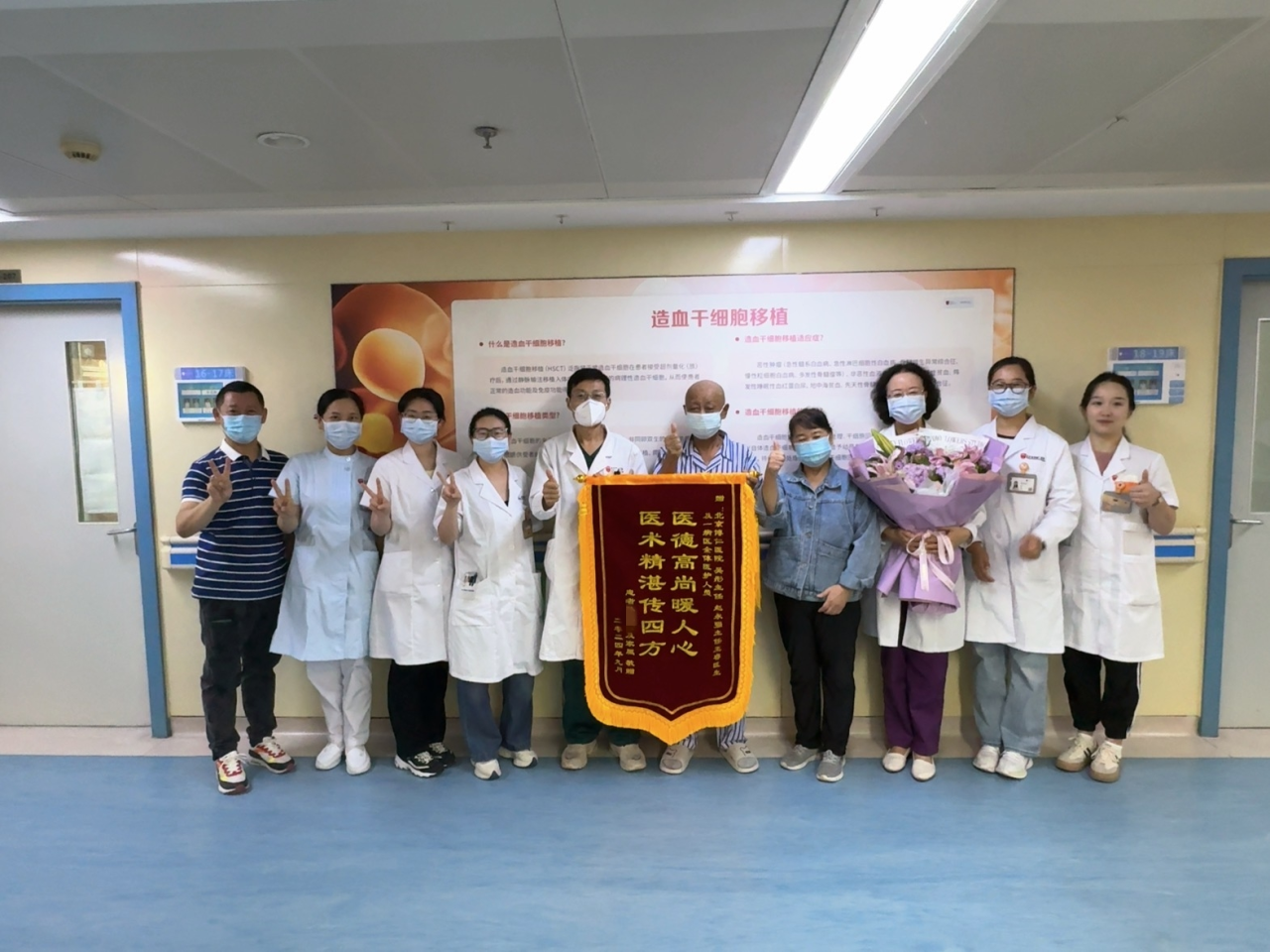
Mr. Sun is especially grateful to the hospital and the medical team for their professional treatment and careful care. He said, "It's the right time to come to the hospital!" He is also very grateful to his family for their companionship and support. Since his illness, his family has been with him all the time, from financial support, spiritual encouragement, physical care to the details of his life, they have taken care of Sun without reservation and in every detail, which also inspired his courage and strength to overcome the illness. Sun's wife was a head nurse at the hospital before she retired, with rich medical and nursing experience, and he was able to be discharged from the hospital without her meticulous care. Although he cannot return to his hometown for the time being, Mr. Sun still feels very happy to have crossed the "line between life and death," and he said that what he wants most at the moment is to have a family reunion.
The patient was a 34-year-old Pakistani man and father of two. He was life-threatened due to acute b-lymphocytic leukemia in 2023. He had poor response to 5 periods of chemotherapy locally and rapidly deteriorated, so he was recommended CAR-T cell therapy. In January 2023, the patient came to GHG medical center and immediately started debulking chemotherapy because the bone marrow examination showed a very high proportion of tumor cells. CD19-CAR-T cell refusion was performed after the proportion of tumor cells was reduced to 0%.
During the treatment, the patient experienced acute cytokine release syndrome(CRS), but uneventfully passed the critical period under immediate treatment. After 14 days of CAR-T therapy, the proportion of tumor cells was successfully reduced to 0%, the patient improved significantly and was discharged uneventfully in February 2024.
Anan, a girl, was diagnosed with acute lymphoblastic leukemia in 2014 when she was 4 years old,and her condition was stable after multiple courses of chemotherapy for more than 3 years.The patient achieved a response after CAR-T therapy in 2020. She came to GHG medical center for further diagnosis and treatment due to a second relapse of leukemia in 2021.
After reviewing Anan's past medical history and various examination reports, the team proposed chemotherapy first and completed lumbar puncture+intrathecal injection targeting a stable condition. After her condition was initially stable, the team proposed a sequential CAR-T therapy program. The doctor's rich treatment experience and logically clear treatment thoughts gave Anan's family confidence.
She achieved a very good response after CAR-T therapy. Although the effect of CAR-T therapy was currently very good, the team recommended seizing the opportunity to bridge allogeneic hematopoietic stem cell transplant after CAR-T therapy according to the latest clinical research and comprehensive judgment of her condition and explained the new program of TDH in detail. Compared with other transplant programs, TDH had lower requirements for donor matching, faster recovery and fewer complications, especially the success rate of transplant, which gave her family great confidence. After the transplant, both Anan's indicators and mental status were very good. After more than 9 years of fighting with leukemia by chemotherapy, CAR-T, and bridging to allogeneic hematopoietic stem cell transplant after CAR-T therapy, Anan also began to look forward to returning to school after recovery.
Ming was a girl, who was only 1 month old in 2019 and was hospitalized and diagnosed with juvenile myelomonocytic leukemia(PTPN11 mutation) after a series of examinations. Ming's parents searched the GoBroad team's report on JMML and the higher cure rate at the 2019 American Society of Hematology(ASH) on the Internet, and then quickly brought Ming to GHG medical center.
Given that Ming was only 2 months old, the GHG medial team recommended first oral targeted drugs targeting a stable condition, chemotherapy after a little older, and hematopoietic stem cell transplant after 1 year old. Ming's condition quickly became stable after medication. Fortunately, a fully matched donor was found in the Taiwan Bone Marrow Bank when Ming was one and a half years old. In November 2020, Ming received the transplant uneventfully. Now Ming is 5 years old and goes to kindergarten like normal children, goes out with friends to play sand and eat buffet… Except that her height and weight are slightly lower than her peers, her language, intelligence, communication and movement are all normal.
Linlin, a 13-year-old girl, was diagnosed with acute B-lymphoblastic leukemia in 2018. However, she had no response to multiple courses of chemotherapy. She received the first hematopoietic stem cell transplant in her hometown in October 2019. Unfortunately, her leukemia relapsed in October 2020.
Linlin came to GHG medial center with her parents for further treatment in 2021. She was recommended to first receive CAR-T treatment, followed by hematopoietic stem cell transplant after careful evaluation by GHG medical team. Accompanied by the GHG team, she successfully received CAR-T therapy and the second hematopoietic stem cell transplant. She went through difficulties including nausea, vomiting, fever, and rejection and was discharged from the hospital. More than two years have passed since the second transplant, and there have been no other serious post-transplant complications. Linlin said happily, "The sky in Beijing is so blue." when she walked out from GHG medial center because she had a good re-examination recently.
Chengcheng,a 6-year-old boy,was diagnosed with acute B lymphoblastic leukemia in 2015,and he has been treated in a local hospital for several years since then.In the meantime,his condition was effectively controlled.Unfortunately,his leukemia relapsed in May 2021.Chengcheng's mother brought him to GHG medial center from his hometown in Northeast China in November 2021.
The GHG medical team first arranged a comprehensive and systematic examination for him and then developed a standardized and personalized therapeutic regimen.The treatment went smoothly,and his condition was relieved quickly after the sequential treatment of CD19 CAR-T and CD22 CAR-T.At present,Cheng has discontinued most of his medications and lived a peaceful and hopeful life."The chief,the doctors and the nurses are very nice!They are always kind to help us solve problems.Thanks so much for them!I'm glad we chose to go to Beijing for treatment at that time."Chengcheng's mother said.Her tone was full of gratitude when mentioning the GHG team.
Xiaoxiao was diagnosed with acute B cell-acute lymphoblastic leukemia (B-ALL) in her hometown in 2017 at the age of 24 years old.Her condition did not improve after a period of chemotherapy in the local hospital.She visited GHG medial center for further treatment at the recommendation of her local doctor.The GHG medial team developed a personalized treatment plan for Xiaoxiao.She successively received CD19 CAR-T and CD22 CAR-T cell therapies,both of which achieved good response.
Now,more than six years from her diagnosis of B-ALL has passed.When she came here for re-examination,she brought good news-Xiaoxiao became a mother!She shared pictures of her child with doctors and said with a smile,"I hope he can live a healthy,safe and happy life."
In 2017,Lili was diagnosed with acute B lymphoblastic leukemia,positive BCR/ABL fusion gene,positive IKZF1 gene mutation,and E255K/V mutation in ABL kinase region at the age of 34 years old.After nearly one year of the combined treatment of targeted drug with chemotherapy in another hospital,the marrow cell morphology was CR and MRD was negative;She underwent haploidentical allogeneic hematopoietic stem cell transplant,but the disease relapsed with T315I mutation just four months after transplant.
Lili came to GHG medial center in 2019,and her condition deteriorated and both lungs were infected at that time.The GHG medial team immediately developed the treatment plan.Treatments including anti-infection,and blood transfusion support were provided together with chemotherapy with targeted drugs to reduce the burden of leukemia.One month later,Lili's general condition was improved,the re-examination of lung CT showed improvement,and symptoms including cough and expectoration disappeared;After the informed consent of her family,murine CD19 CAR-T cells were infused successfully.Only half a month after infusion,the marrow morphology was evaluated as CR,MRD turned negative,and BCR/ABL(p190)quantification result was 0%.Lili and her family were relieved and she was discharged full of happiness.In the follow-up and re-examination afterward,Lili's condition was still in a continuous remission state,and she returned to society and family again upon CAR-T cell therapy.


