




Mr.W, Chinese, paroxysmal nocturnal hemoglobinuria
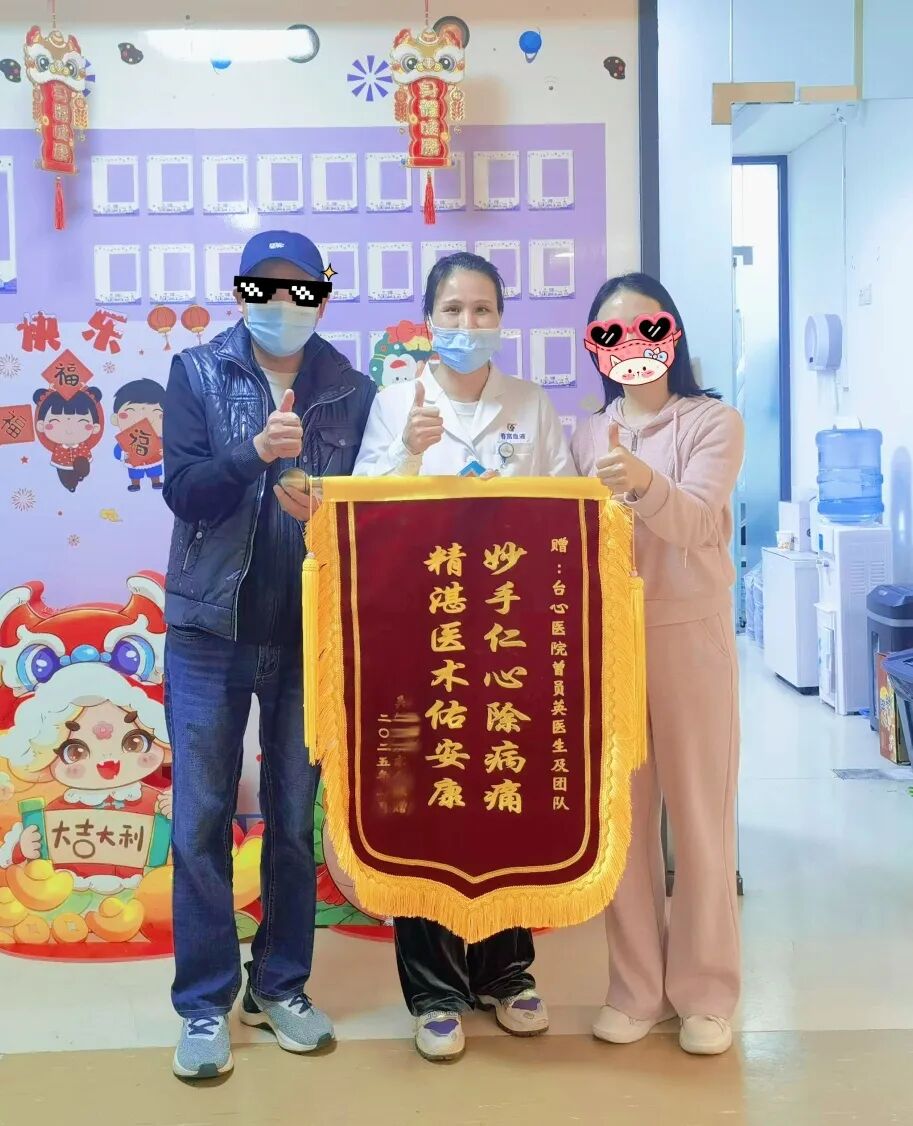
2025-11-27Recently, Mr. W from Zhanjiang, Guangdong, visited the GoBroad Chunfu Institute of Hematology & Oncology (GoBroad Healthcare Group)together with his wife to present a commemorative banner to Director Zeng Yuanying and her medical team. Their heartfelt gesture expressed deep gratitude for the successful treatment that ended his nine-year struggle with a debilitating illness. The moment symbolized not only appreciation but also the beginning of a renewed and healthier life.
Mr. W’s battle with paroxysmal nocturnal hemoglobinuria (PNH) began nine years ago. At the time, he frequently experienced fatigue and shortness of breath, symptoms he initially dismissed as the result of heavy workloads. However, instead of improving, his condition progressively worsened until one day his urine turned a “soy-sauce” color—a warning sign he could no longer ignore. Tests performed at a local hospital confirmed a diagnosis of paroxysmal nocturnal hemoglobinuria combined with aplastic anemia (AA), a rare acquired clonal hematopoietic stem cell disorder characterized by intravascular hemolysis, bone marrow failure, and a high risk of thrombosis. For years, he relied on steroids and intermittent blood transfusions, but his hemoglobin remained between 50–60 g/L. Constant weakness and fatigue significantly limited his daily activities and quality of life.
In early 2024, Mr. W’s condition suddenly deteriorated. Hemolytic episodes increased, his hemoglobin dropped below 40 g/L, abdominal pain became more frequent, and his need for transfusions grew. As a schoolteacher, he researched his options and learned that paroxysmal nocturnal hemoglobinuria combined with aplastic anemia can potentially be cured through allogeneic hematopoietic stem cell transplantation (allo-HSCT). A matching evaluation revealed that his brother was a fully compatible donor. Acting on the recommendation of fellow patients, he sought treatment at the GoBroad Chunfu Institute.
After a comprehensive assessment, Director Zeng proposed two treatment paths: lifelong complement inhibitor therapy to control symptoms, or a sibling-matched allogeneic stem cell transplant aimed at achieving a cure. Following careful consideration, Mr. W and his family decided to proceed with the transplant. Before transplantation, he received eculizumab, which effectively reduced hemolysis and raised his hemoglobin to 94 g/L, significantly improving his overall condition.
On October 15, 2024, Mr. W was admitted to the transplant unit for conditioning therapy, and on October 24, he received peripheral blood stem cells donated by his brother. During the post-transplant period, he experienced several complications—including pulmonary infection, mucosal ulcers, abdominal pain, headaches, and fever—common challenges for patients with compromised immunity. Throughout this period, Director Zeng and her medical team closely monitored his progress and continuously adjusted his treatment plan to guide him through the critical stages of transplant recovery. With expert care and unwavering family support, Mr. W’s blood counts steadily improved. On November 15, he met all discharge criteria and successfully left the transplant unit.
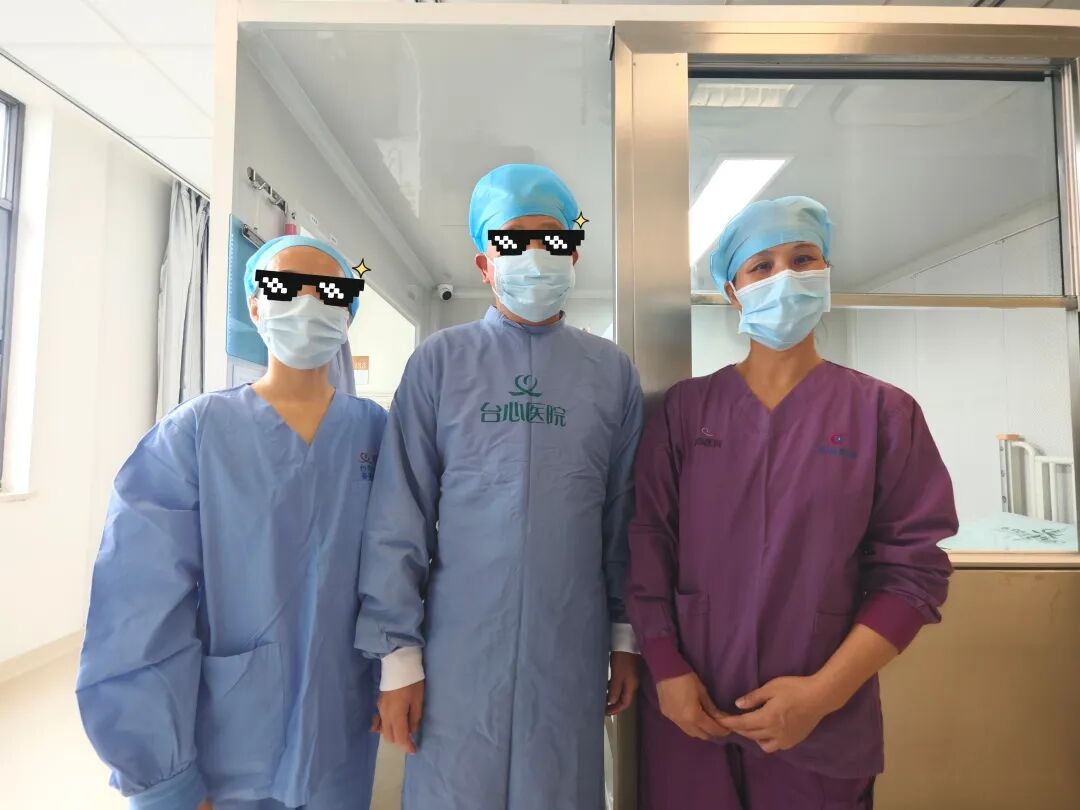
Reflecting on his case, Director Zeng noted that while modern complement inhibitors have expanded therapeutic options for paroxysmal nocturnal hemoglobinuria, their effectiveness remains limited for patients with concurrent aplastic anemia. Even in the era of targeted complement therapy, allogeneic stem cell transplantation remains the only curative treatment for PNH.
Today, Mr. W is recovering well and gradually regaining his strength. The banner he presented serves not only as a token of appreciation but also as a testament to the expertise, dedication, and compassionate care of the medical team at the GoBroad Chunfu Institute of Hematology & Oncology.


