



GoBroad (Guangdong) Rare Disease Center Launches Innovative “Full-Cycle Support” Model, Advancing Systematic Solutions for Rare Diseases
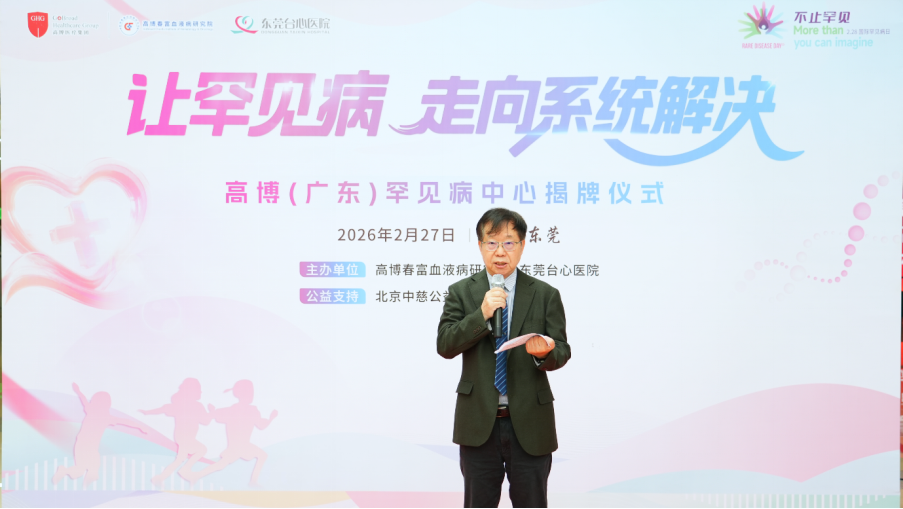
2026-2-28On February 27, 2026, on the eve of the 19th World Rare Disease Day, the GoBroad (Guangdong) Rare Disease Center was officially inaugurated at Dongguan Taixin Hospital.
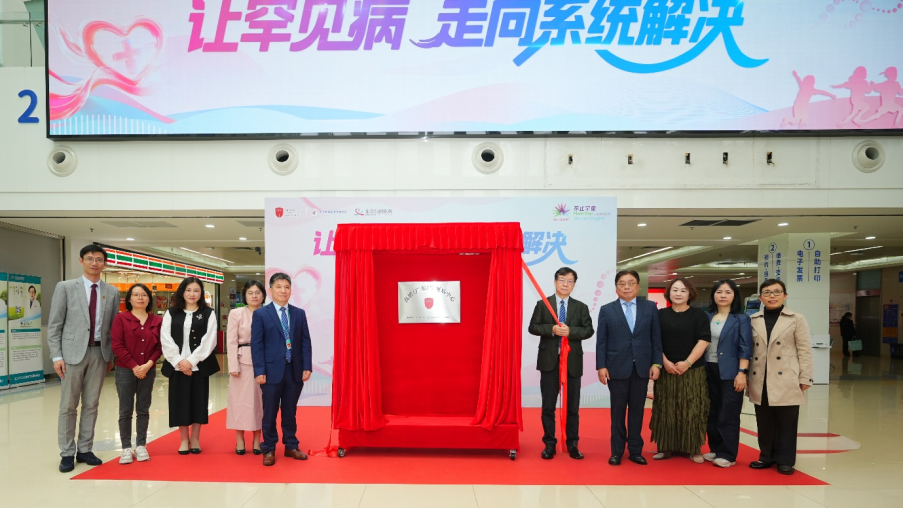
Jointly established by the GoBroad Healthcare Group and Dongguan Taixin Hospital, the center serves as a regional rare disease diagnosis and treatment platform. Anchored by hematopoietic stem cell transplantation (HSCT) as its core capability, the center integrates multidisciplinary care, precision genetic diagnostics, and comprehensive therapeutic pathways including CAR-T immunotherapy. It further connects charitable assistance programs with long-term follow-up management, promoting a shift from fragmented care toward a systematic rare disease solution model.
From Specialized Practice to Systemic Care: Entering a New Phase of Rare Disease Management
Rare diseases are individually uncommon, yet collectively significant.
More than 7,000 rare diseases have been identified worldwide, over 80% of which are genetically related. In China alone, the total number of rare disease patients is estimated to exceed 20 million. Due to limited awareness at the primary care level and fragmented diagnostic pathways, many families experience years of misdiagnosis before receiving a definitive diagnosis.
HSCT remains one of the most established curative options for blood-related rare diseases such as thalassemia, aplastic anemia, and primary immunodeficiency disorders. It is also being extended to malignant rare conditions including neuroblastoma. With the maturation of haploidentical transplantation technology, the long-standing barrier of donor availability has largely been resolved.
However, medical advancement alone does not automatically translate into patient benefit. Financial burden, transplantation-related uncertainties, infection risks, and long-term medication and follow-up costs continue to challenge families. Addressing these structural gaps is central to the mission of the new center.
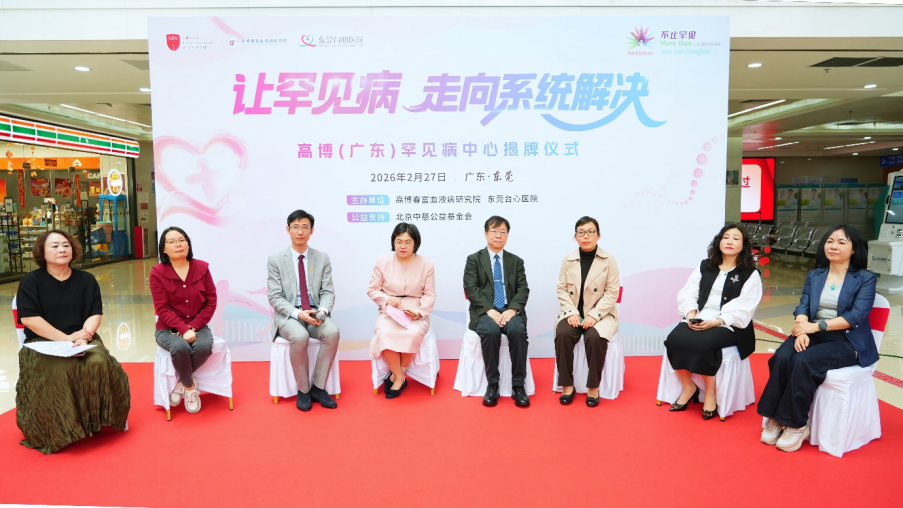
The GoBroad (Guangdong) Rare Disease Center integrates hematology, pediatrics, rheumatology and immunology, oncology, imaging, critical care, and genetic diagnostics into a multidisciplinary team (MDT) model. Through standardized transplant pathways, regional referral coordination, and structured long-term follow-up, the center aims to ensure continuity from diagnosis through survivorship.
Innovation in Assistance: “No Abandonment” Throughout the Transplant Journey
A key highlight of the launch event was the release of the “Guardian AnAn 2.0” charitable support program.
Supported by the Public Welfare Foundation, the initiative upgrades previous one-time financial aid into full-cycle support covering the entire HSCT process. The program assists families of patients with thalassemia, aplastic anemia (including pure red cell aplasia), and primary immunodeficiency (PID) receiving treatment at the GoBroad Healthcare Group
By aligning medical innovation with structured charitable support, the model strengthens treatment adherence and reduces interruptions caused by financial pressure. Medical expertise provides the possibility of cure, while financial assistance lowers the threshold for access and completion—forming a sustainable and patient-centered ecosystem.
Expanding Safety and Therapeutic Boundaries
Experts at the event shared recent advancements in rare disease treatment.
The development of haploidentical transplantation has significantly expanded donor availability, allowing parents to serve as suitable donors and removing previous time constraints associated with donor registry matching.
Meanwhile, systematic improvements in peri-transplant management—including high-resolution HLA typing, optimized graft-versus-host disease (GVHD) prevention protocols, standardized infection control, and preemptive monitoring strategies—have contributed to reduced transplant-related mortality.
CAR-T and other targeted immunotherapies are increasingly integrated with transplant strategies, offering new options for relapsed or refractory patients. For high-risk neuroblastoma, combined approaches involving chemotherapy, targeted therapy, and transplantation are becoming more widely applied. Exploratory CAR-T treatments for glioma are also under clinical development.
Professor Li Chunfu noted that the key question in rare disease care is shifting from “Can it be treated?” to “How can we treat better and extend survival?” Early identification, regional referral coordination, standardized follow-up, and family-centered support systems are becoming essential components of sustainable rare disease management.


