




Overview
Lymphoma is a type of malignant tumor originating from the lymphatic system. The lymphatic system is an essential part of the immune system, responsible for transporting lymph fluid and helping the body fight infections and diseases. It includes lymph nodes, lymphatic vessels, the spleen, bone marrow, tonsils, and the thymus.
Lymphoma is generally classified into two major types:
Hodgkin Lymphoma (HL)
Characterized by the presence of Reed–Sternberg (R-S) cells, originating from B cells. Hodgkin lymphoma is often diagnosed early and tends to respond well to treatment.
Non-Hodgkin Lymphoma (NHL)
More common and more complex. NHL can arise from B cells or T cells, presenting with diverse clinical features and varying growth rates—from slow-growing to rapidly progressive.
Common symptoms of lymphoma include:
- Painless lymph node enlargement (neck, armpits, groin)
- Fever, night sweats, weight loss (“B symptoms”)
- Fatigue, rashes, loss of appetite
- Some subtypes may present with breathing difficulties, abdominal distension, or neurological symptoms
Based on pathology and disease progression, lymphoma can be further classified as: - Indolent: Slow-growing; may not require immediate treatment.
- Aggressive: Rapidly progressing; requires prompt systemic therapy.
Treatment Options
Lymphoma can be treated using multiple modalities. Treatment selection depends on the type and stage of lymphoma, the patient’s overall health, and treatment tolerance. With appropriate management, many patients can achieve long-term remission or even full recovery.
Chemotherapy
One of the most common and fundamental treatments for lymphoma. Chemotherapy kills rapidly dividing tumor cells and is often administered as combination regimens to enhance efficacy and reduce drug resistance. Chemotherapy can be used alone or combined with radiotherapy or immunotherapy.
Radiation Therapy
Radiotherapy uses high-energy beams to kill or suppress cancer cells. It is often applied for localized disease or as consolidation therapy after chemotherapy. For central nervous system involvement, radiotherapy is also used for disease control. Radiotherapy is relatively targeted and causes less damage to surrounding healthy tissue.
Hematopoietic Stem Cell Transplantation (HSCT)
For relapsed or refractory lymphoma, HSCT is considered. High-dose chemotherapy or radiotherapy is used to clear malignant cells, followed by reinfusion of autologous or allogeneic stem cells to rebuild normal hematopoietic and immune functions, improving long-term survival.
Targeted Therapy
Targeted drugs act on specific genetic mutations or proteins in lymphoma cells (e.g., CD20), blocking growth signals or disrupting the tumor microenvironment. Compared with traditional chemotherapy, targeted therapy usually has more controllable side effects.
Immunotherapy
Immunotherapy enhances the body’s own immune system to recognize and destroy lymphoma cells. It includes:
- CAR-T Cell Therapy: Patient T cells are genetically modified to target lymphoma-specific antigens and reinfused to kill tumor cells.
- Monoclonal Antibody Therapy: Artificial antibodies targeting specific surface proteins on lymphoma cells to mark and eliminate them.
- Antibody–Drug Conjugates (ADC): Antibodies linked to cytotoxic drugs to deliver targeted killing.
- Bispecific Antibodies: Bind both lymphoma cells and T cells, bringing them together to enhance tumor killing.
- Immune Checkpoint Inhibitors: Block inhibitory pathways hijacked by lymphoma cells, restoring T-cell function.
These immunotherapies may be used alone or in combination with chemotherapy or targeted therapy, offering new hope to relapsed or refractory patients.
Why Choose GoBroad?
As a leading hematology center, GoBroad Healthcare Group provides innovative therapies to help improve your chances of successful treatment.
1. NGS-based risk stratification, precision targeted therapy, and CAR-T cell therapy tailored to high-risk molecular features.
2. CAR-T combined with autologous or allogeneic HSCT to enhance outcomes in high-risk patients.
3. Comprehensive integration of antibody drugs, targeted agents, and cellular immunotherapy to provide diverse therapeutic solutions.
Precise Diagnosis and Personalized Treatment Plans
Successful treatment begins with accurate diagnosis. Our experts excel at identifying subtle abnormalities often missed elsewhere. The GoBroad Precision Diagnostics Center is led by specialists with over 30 years of experience and integrates five diagnostic pillars: pathology, morphology, immunology, cytogenetics, and molecular biology (MICM).
Supported by advanced technologies such as mass spectrometry, flow cytometry, and NGS, the center performs over 1,500 diagnostic assays, covering the full spectrum of hematologic and solid tumor diseases and providing a robust foundation for cellular and immunotherapy.
Our Achievements
CAR-T Therapy for Relapsed/Refractory (R/R) Lymphoma
- CD19/CD20/CD22 triple-target CAR-T for pediatric R/R Burkitt lymphoma achieved 100% overall response rate (ORR). The 18-month progression-free survival (PFS) rate was 78%.
- CAR-T in R/R B-NHL: median PFS reached 8.5 months, and median OS was 26.89 months.
- Whole-brain radiotherapy (WBRT) bridged to CAR-T for R/R CNS B-cell lymphoma: ORR 88.9%, CR 85.2%, with estimated 1-year PFS 61.3% and OS 56.6%.
- Donor-derived CD7 CAR-T as a debulking bridge before allo-HSCT in relapsed T-ALL/LBL: CR rate 94.1% with manageable safety.
- Autologous CD7 CAR-T for heavily pretreated R/R T-cell lymphoma: CR rate 78.2%.
CAR-T Combined with HSCT for Relapsed/Refractory (R/R) Lymphoma
At GoBroad, we use a “HSCT + CAR-T” combined strategy to achieve dual antitumor activity for lymphoma patients. This approach prolongs remission, reduces relapse, lowers toxicity, and produces more durable outcomes—especially beneficial for high-risk patients.
Auto-HSCT + CAR-T for R/R B-NHL:
- 1-year, 2-year, 3-year PFS: 76.6%, 72.3%, 64.7%
- 1-year, 2-year, 3-year OS: 91.5%, 73.9%, 66.0%
Donor-derived CAR-T prior to allo-HSCT for R/R B-cell lymphoma:
- CR 75%
- Median OS & PFS: 294 days, 6-month OS 75%, PFS 62.5%
HSCT for Refractory Peripheral T-cell Lymphoma
A modified conditioning protocol incorporating ATG (antithymocyte globulin) and individualized transplantation strategies improved 2-year OS to nearly 70%, compared with only 20–30% in historical data.
The efficacy data are derived from published studies and GoBroad Healthcare Group’s long-term follow-up results. For medical reference only. Individual outcomes may vary depending on disease type and treatment plan. Please consult with a qualified physician for a personalized treatment strategy.
Patients Stories
Assan was diagnosed with diffuse large B-cell lymphoma involving the stomach in December 2023. He initially received chemotherapy treatment in Singapore. Although the treatment was effective at first, a relapse was detected about a year later during routine follow-up examinations. The recurrent lesion was located in the stomach, and surgery was performed to remove it.
Following the relapse, Assan began searching for additional treatment options that were both medically advanced and financially accessible. Through an international medical referral platform and online research, he was introduced to several hospitals across different countries, including China, Turkey, and Israel. After a series of online consultations, he connected with Dr. Yajing Zhang from GoBroad Healthcare Group.
“Dr. Zhang carefully reviewed my medical records during the online consultation and explained that CAR-T therapy would be the most suitable option for my condition,” Assan recalled. “Compared with other centers I contacted, the treatment plan at GoBroad was not only clear and professional, but also far more affordable.”
In January 2025, Assan traveled to Beijing to begin treatment. He received CD19 CAR-T cell therapy and stayed at the hospital for approximately six weeks. The treatment process went smoothly, and early evaluations showed a positive response.
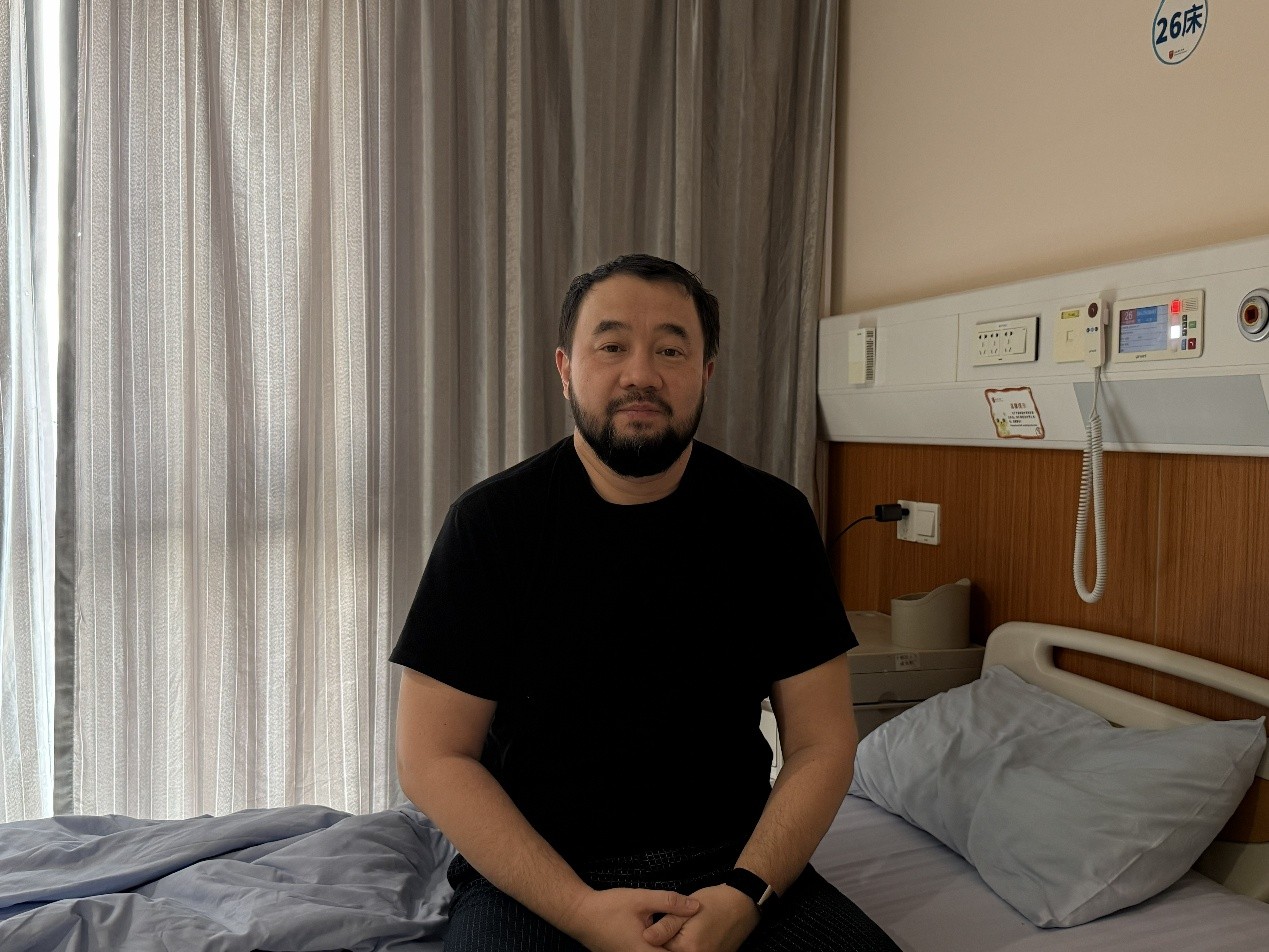
Since completing CAR-T therapy, Assan has returned to GoBroad for regular follow-up visits. His most recent evaluation, conducted one year after treatment, showed encouraging results: no evidence of lymphoma cells in the bone marrow or cerebrospinal fluid, and effective control of tumor activity in the stomach.
Physically, Assan reports feeling well overall. “My immune system was weaker for a period after CAR-T therapy, so I was careful to avoid infections,” he said. “I gradually started walking, exercising, and monitoring my health indicators. Over time, my condition has continued to improve.”
Beyond clinical outcomes, Assan emphasized his appreciation for the medical and support teams. “The doctors, nurses, and coordinators were professional, patient, and supportive throughout my treatment and follow-ups,” he noted. “The care experience made a difficult journey much easier.”
Reflecting on his experience, Assan shared that he has recommended GoBroad to other patients seeking advanced cellular therapies. “GoBroad specializes in CAR-T therapy, and that expertise is very clear. I’m grateful for the care I received here and hopeful as I continue toward long-term remission.”


Maria, a lymphoma patient from Russia, returned to Beijing for her second round of treatment at GoBroad Healthcare Group. For her, this was not merely a medical trip across borders—it was a vital journey toward reclaiming her health and restoring her quality of life. Her attending physician, Dr. Zhang Yajing, a hematology and oncology expert, recounted the treatment process in detail—beginning with the initial remote consultation, the reversal of her critical condition, and leading to her current stable status as she prepares for discharge. Every step was decisive.
First Visit to China: Critical Condition with Rapidly Worsening Disease
Maria first arrived in Beijing in June. At that time, her condition was extremely severe. Dr. Zhang vividly remembers her status during the initial overseas video consultation:
“She was in grave danger, with fevers soaring to 43–44°C, levels rarely seen in clinical practice.”
Even more challenging was the aggressive behavior of the tumor—it rebounded quickly after initial treatment, despite her blood counts not yet recovering, and had already involved the central nervous system, liver, and other organs. From a medical perspective, she was on the edge of high-risk deterioration.
Young and determined to maintain not only survival but a high quality of life, Maria received a comprehensive treatment plan centered on multi-target CAR-T therapy. Her first treatment adopted CD19 + CD22 dual-target CAR-T, after which her condition significantly improved. The previously aggressive manifestations—including CNS and liver involvement—were gradually brought under control.
Second Visit: Fighting for a More Durable Remission
Although the first treatment produced encouraging results, Maria’s disease carried a high risk of relapse. The original plan recommended hematopoietic stem cell transplantation once remission was achieved. However, after returning home, local specialists evaluated that she might not tolerate transplant conditioning.
Dr. Zhang’s team therefore redesigned a new strategy: sequential CAR-T consolidation, this time selecting CD20 + CD79b dual-target CAR-T based on her tumor’s antigen expression profile.
“Sequential therapy is not a simple repeat,” Dr. Zhang explained. “It is a comprehensive, personalized decision built on the tumor’s biology and her initial treatment response, aiming for a deeper and more durable remission.”
Her second treatment has now progressed smoothly. She is expected to be discharged with stable condition and without recurrence of the previously alarming aggressive features.
Comprehensive Lifecycle Management: Beyond Treatment, Ensuring Long-Term Confidence
Maria values quality of life and demonstrates strong medical understanding and cooperation, allowing the team to maintain clear communication and high-efficiency decision-making. To ensure long-term management, Dr. Zhang’s team developed a full lifecycle follow-up plan—including structured, more frequent follow-ups during the first two years, monthly testing schedules, and one-on-one online consultations after key evaluations to adjust treatment in a timely manner.
Maria expressed strong confidence in the plan and high satisfaction with the treatment outcomes and care experience.
From her initial crisis to her second cross-border visit, from precision treatment planning to her upcoming recovery and discharge, Maria’s journey embodies not only advanced medical decision-making but also GoBroad’s core philosophy:
Responsibility for life, and responsibility for the future.
In November 2022, Lele, a second grader, was diagnosed with Hodgkin's lymphoma. After thorough research, his mother took him to Professor Yonghong ZHANG's team at Beijing GoBroad Boren Hospital. Upon admission, Lele quickly underwent a tumor assessment, received a pathology consultation, and had imaging tests including MRI and PET-CT, as well as a bone marrow biopsy.
It was confirmed that the tumor was limited to the lymph nodes in his neck and above the collarbone. Professor Yonghong ZHANG's team staged Lele's condition based on the tumor's location, size, and the presence of B symptoms, and developed a customized treatment plan. Following six cycles of chemotherapy, which were carefully managed by ZHANG's team and supported by attentive medical staff and Lele's mother, Lele achieved complete remission. Now, Lele is still vibrant and sociable, back at school, and happily running on the sunny playground.
After being diagnosed with T-cell lymphoblastic lymphoma at another hospital, Yiyi experienced several central relapses. She received multiple rounds of high-dose targeted drug and repeated intrathecal injections but did not achieve remission.
When she was admitted to Beijing GoBroad Boren Hospital, Professor Yonghong ZHANG's team thoroughly reviewed her previous treatments and determined that her symptoms did not align with a central relapse. Further tests revealed that Yiyi had a concurrent cytomegalovirus infection, leading to a diagnosis of cytomegalovirus encephalitis. Following antiviral treatment, the abnormal cells in her central nervous system disappeared, and Yiyi's condition improved quickly. Her subsequent treatments went well, and she achieved complete remission, which has persisted. Yiyi, who enjoys singing and dancing, is now able to perform on stage again.
In 2017, six-year-old Tian Tian was diagnosed with Burkitt lymphoma. Despite undergoing several rounds of high-dose chemotherapy as the first line of treatment, he did not reach complete remission. He then received second-line chemotherapy, but the tumor continued to grow.
To further address his condition, Tian Tian was treated at Beijing GoBroad Boren Hospital. After a thorough evaluation, Professor Yonghong ZHANG created a personalized treatment plan for him. Due to the tumor's persistent progression, Tian Tian had three biopsies and underwent sequential CAR-T cell therapy targeting CD19, CD22, and CD20. Ultimately, he achieved complete remission, which he has maintained to this day. Now as middle school student, he leads a normal life, studying and enjoying time with friends.
Tian Tian is recognized as the first patient i with refractory/relapsed Burkitt lymphoma (R/R BL) to attain complete remission through the sequential infusion of CD19/CD20/CD22 CAR-T cells. This groundbreaking therapy offers a new treatment option for refractory relapsed Burkitt lymphoma.
One of the most profound sources of joy for a mother is to witness her child's growth and development. This was a sentiment that resonated deeply with Alina, a young Russian mother. However, shortly after Alina became a mother three years ago, she was diagnosed with lymphoma.
In Russia, Alina attempted a multitude of treatments, yet the size of the tumor and the intricacy of the disease resulted in outcomes that fell short of her expectations. Given her strong attachment to her family, Alina ultimately opted to travel to China, where she discovered that the lump she could feel had diminished considerably under the meticulous care of Director Zhang Yajing's team in GoBroad.
Mediastinal diffuse large B-cell lymphoma is prevalent in young adult women. Given that it is a rare and malignant lymphoma, Alina, who was initially far from fully aware of the disease, believed she was adequately prepared. "Although the diagnosis of this disease was unexpected, my family and I promptly accepted it and initiated anti-tumor treatment, which represented a significant transition for me." In Russia, Alina underwent a challenging course of treatment, involving immunotherapy, targeted therapies, antibody-based drugs, hematopoietic stem cell transplants, CAR-T therapy, and other potential options. However, despite these efforts, the tumor load remained unaltered.
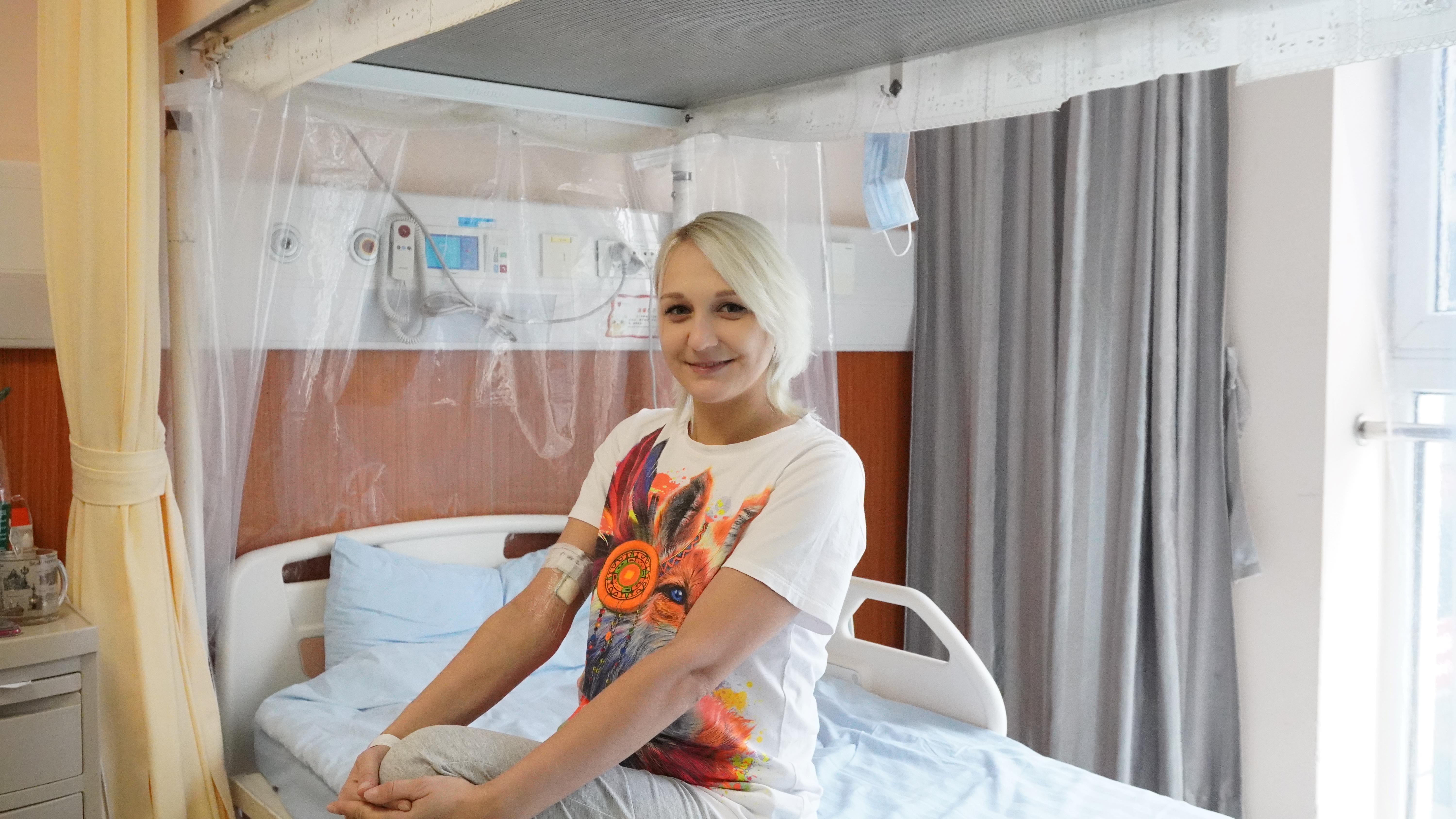
"Unfortunately, my doctor informed me that there were no further promising therapies available in Russia at that time." Fortunately, with the assistance of Alina's mother, her infant is thriving, providing her with the resilience to persevere with her treatment.
On imaging, the lesion was observed to be large and confirmed to be highly aggressive. Director Zhang Yajing recalled the scene when Alina arrived at GoBroad and stated, "In order to adjust the tumor microenvironment and enhance the efficacy of treatment for this complex and difficult-to-treat lymphoma, we organized a multidisciplinary expert consultation. Following a comprehensive evaluation, we ultimately adopted a treatment plan of radiotherapy combined with CAR-T therapy."
The new plan was met with Alina's anticipation and the stage of radiotherapy was successfully completed. GoBroad's medical team provided art materials and Alina began to draw with her mother in the room. As many drawings were completed, the infusion of CAR-T treatment soon concluded.
Subsequently, Sofia informed Zhang Yajing, who had come to assess her condition, that she could perceive a reduction in the size of the lump.
"While an evaluation of the CAR-T infusion is not yet due, it is evident that the mass has shrunk and softened, indicating a promising and progressive shrinking trend." Director Zhang Yajing elaborated, "At the time of Alina's initial presentation, her tumor load was notably elevated. Subsequent to our upfront treatment, her condition has demonstrated a favorable trajectory of improvement. Through the individualized plan we have devised for intensive treatment and subsequent long-term maintenance therapy, there is a reasonable expectation that she will eventually achieve complete remission."
The treatment in a foreign country seemed to last an exceptionally long time, but Alina's morale remained high. She expressed her gratitude towards the medical team, noting that they consistently provided her with encouragement, affirming her resilience and determination. She also conveyed her anticipation for the review results, expressing confidence in their success.
Paul (pseudonym), male, 42 years old, a patient from Russia, was diagnosed with follicular lymphoma(FL) in a local hospital and had achieved complete remission after multiple courses of chemotherapy. However, in the late follow-up, multiple lymph node enlargements in the abdominal cavity and inguinal area were observed. After ultrasound, CT, and puncture, the disease was diagnosed to be recurrent with a large tumour load.
Paul is a person who is very demanding on the quality of life and has a high level of awareness of his own disease. Out of the feeling of the disease treatment process and the expectation of a higher quality of life in the future, after comprehensive consideration and multiple researches, Paul contacted with Dr. Zhang Yajing of Beijing GoBroad Boren Hospital, and through the on-line video consultation and detailed communication, he made a firm determination of choosing CAR-T cell therapy.
Accompanied by his sister, Paul travelled a long way to Beijing GoBroad Boren Hospital for treatment. Considering that the tumour was recurrent after chemotherapy and the tumour load was high, in order to take into account the goals of tumour reduction and improvement of the immune microenvironment, and to further improve the efficacy of the treatment, Dr. Zhang Yajing tailored a combination of targeted drugs and low-dose local radiotherapy as a bridging plan for the patient before the CAR-T cell infusion; especially in the formulation of the radiotherapy plan, taking into account the fact that Paul is a middle-aged man with a very clear need for reproduction, a multidisciplinary consultation was organized to provide a customized radiotherapy plan for Paul. In order to take into account the safety and efficacy, a multidisciplinary consultation was organised, and an individualised radiotherapy plan was tailored for Paul. It was proved that Paul did not have any obvious treatment-related adverse reactions during the bridging treatment, and his tolerance and compliance were within the expected range, and he maintained good communication with the team at all times, and built up a deep trust.
Paul's CAR-T infusion process was relatively smooth, and the only treatment-related adverse reactions were low-grade fever and mild migraine. Even though Paul had a history of migraine attacks, we still planned the prevention and control strategy of neurological adverse reactions in advance to ensure the safety of the whole process of treatment, and the post-incubation expansion, function and activity of the CAR-T cells were monitored regularly, which also suggested a better activity and tumour killing effect. The expansion, function and activity of CAR-T cells after transfusion also showed better activity and tumour killing effect under regular monitoring, and the overall adverse reactions after transfusion were very smooth. The condition was good.
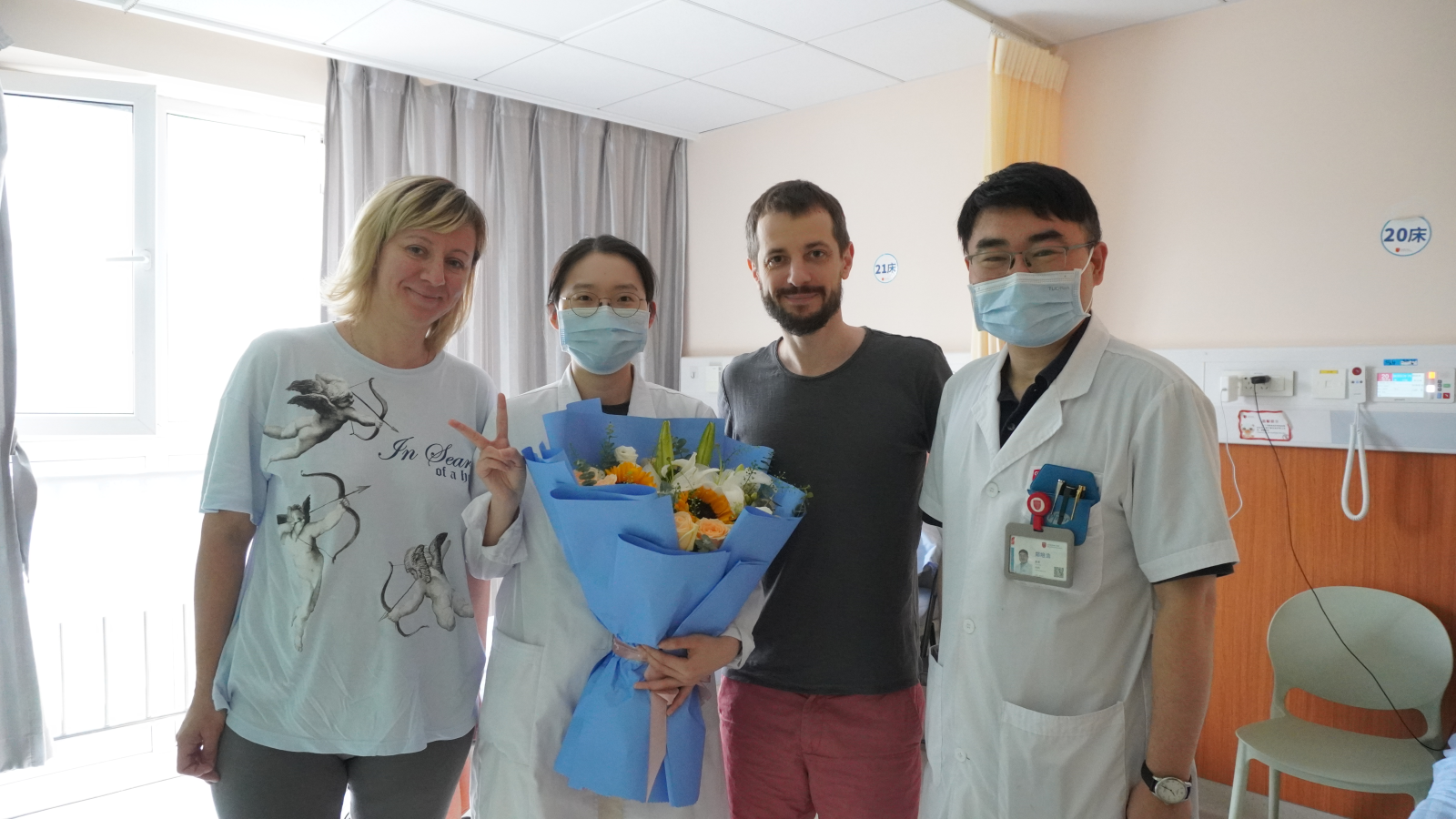
Recently, we received good news from Paul, who told us that he is getting better and better and is now running 5km every day, and he is very grateful for the care and help he received from the team during his treatment at GoBroad which made it easy for him to seek medical treatment in a foreign country without any difficulties or inconveniences. The team was very patient and helpful in communicating with him and helping him in his daily life.
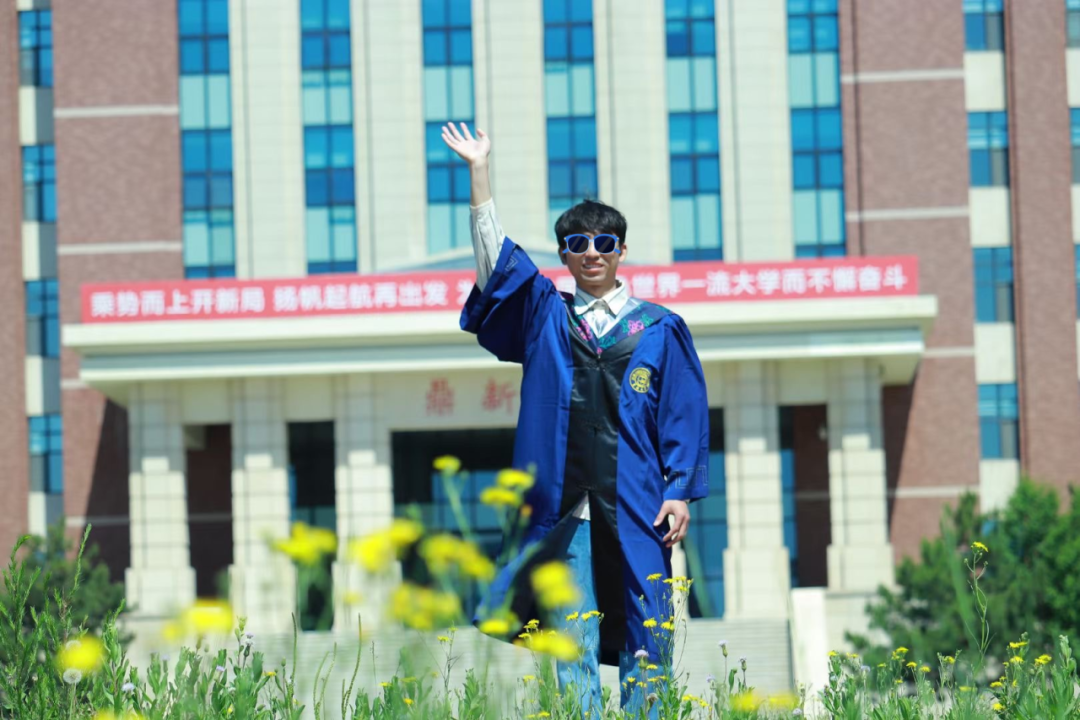
It was February 22, 2022, a Tuesday, a specia day for Xiao Zhou (pseudonym). On that day, this young man finally saw his life again after enduring countless challenges.
Three years before, Xiao Zhou, a first-year graduate student, was diagnosed with stage IV extranodal NK/T-cell lymphoma (nasal type). Despite undergoing multiple rounds of chemotherapy at another hospital, his condition did not improve and even worsened to Epstein-Barr virus (EBV)-associated hemophagocytic syndrome, leaving him in critical condition. On the recommendation of other patients, Xiao Zhou’s parents sought out Dr. Wu Tong’s team at GoBroad Healthcare Group. At GoBroad, Xiao Zhou successfully underwent a haploidentical hematopoietic stem cell transplant after preconditioning chemotherapy, with his mother as the donor. This summer, he completed his graduate studies and found his way of life -- becoming a teacher to guide and inspire the next generation of students.
Diagnosed at An Advanced Stage: What Lies Ahead?
One day in 2021, Xiao Zhou suddenly developed a high fever of 39°C. It subsided temporarily after administration of antipyretics but kept returning a few days later without any apparent cause. Due to recurring fevers those days, Xiao Zhou decided to go to the hospital for a thorough examination.
Initial blood tests showed no abnormalities, and the doctor reassured him that it was not a blood disease. However, Xiao Zhou was not convinced and suspected that something was wrong with his blood system.
That summer, Xiao Zhou went to a hospital in Guangzhou, where his parents were doing business, for further tests. According to the PET-CT scan findings, he was definitely diagnosed with stage IV extranodal NK/T-cell lymphoma (nasal type). It is a unique subtype of non-Hodgkin lymphoma associated with EBV infection caused by immune deficiency. For stage I/II NK/T-cell lymphoma, most patients can be cured through chemotherapy combined with local radiotherapy. However, for stage III/IV or refractory/recurrent cases, allogeneic hematopoietic stem cell transplantation is required.
In addition, the PET-CT scan revealed multiple tumors in his abdomen, lungs, nasal cavity, and neck, indicating a very severe condition.
Normal Life Paused, Treatment Began
Initially, treatment at the local hospital was fraught with difficulties. After 6-7 rounds of chemotherapy, his condition showed no signs of improvement, and inaccurate medication had even caused his illness progress into hemophagocytic syndrome. As his condition worsened, the doctors issued a critical condition notice. In a moment of despair, Xiao Zhou decided to take a final chance and seek treatment at GoBroad Healthcare Group on the recommendation of other patients.
Upon his arriving at GoBroad, Dr. Wu Tong designed a personalized treatment plan for Xiao Zhou. The first step was preconditioning chemotherapy to reduce the tumor burden and achieve the maximum possible remission before transplant.
Looking back on his time in the treatment room, Xiao Zhou vividly remembers a particular moment: After undergoing intensive chemotherapy, he developed folliculitis and buccal ulceration. The daily suffering was immense, which took a serious toll on his mental state. “At that time, I thought my life would never be the same as that of a normal person and I would always be a patient in the eyes of others…”
Just when Xiao Zhou was losing hope, the words from Dr. Wu Tong during his rounds brought him immense confidence: “Everything is just paused. Once you get through this phase, everything will return to normal.”
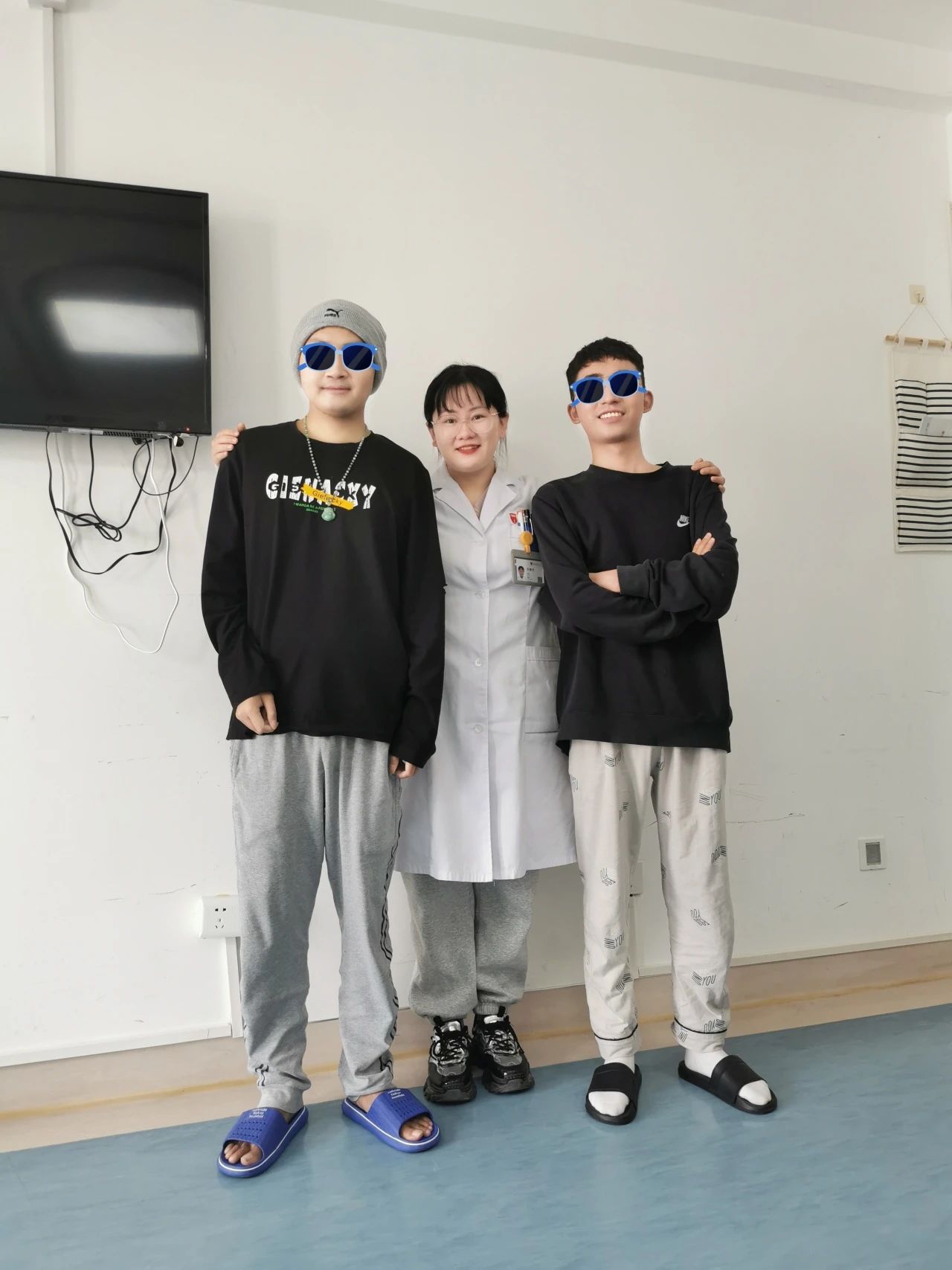
That seemingly ordinary statement brought a glimmer of hope to Xiao Zhou. “Dr. Wu’s words felt like a wake-up call, showing me a beacon of hope.” From that moment on, Xiao Zhou resolved to stay strong and get through the hardship. In reality, even after leaving the treatment room, he faced severe rejection, extreme physical weakness, and muscle atrophy from long period of bed rest, leaving him unable to stand or walk when he was discharged. Yet, despite these challenges, Xiao Zhou was no longer as negative as before; instead, he felt that victory was just within reach.
A Bright Future Ahead
It has now been over two years since Xiao Zhou’s transplant, and his health has greatly improved. He has been back at school for some time. Today, he has successfully graduated with his master’s degree and become a teacher to guide and inspire the next generation of students.
A 50-year-old Russian accountant successfully received an innovative CAR-T cell therapy after failing a series of standard treatments. The patient was initially diagnosed with diffuse large B-cell lymphoma in 2019. The disease relapsed despite multiple rounds of treatment including autologous hematopoietic stem cell transplant,and had high resistance to traditional therapies. Facing desperate conditions,including inferior blood parameters and no response to traditional therapies, the patient switched to CAR-T cell therapy.
Despite major challenges such as COVID-19 pandemic during treatment, the patient successfully overcame the virus with oral antiviral therapy and continued CAR-T cell refusion. The patient safely passed the critical period with the help of hormones, antibiotics, and other supportive treatments albeit a series of serious side effects after treatment. The treatment results showed a significant reduction in the lymphoma cell count in the peripheral blood and bone marrow, demonstrating the effectiveness of CAR-T therapy. The patient was discharged uneventfully and returned to Russia in January 2024.
In Russia, a 39-year-old patient found that the inguinal lymph node was noticeably enlarged in July 2023. The patient was subsequently diagnosed with follicular lymphoma carrying the high-risk gene variant del17p13/TP53 (a complex non-Hodgkin's lymphoma) after a series of medical examinations. Despite receiving 3 periods of standard chemotherapy and molecular targeted therapy, only partial response was achieved on the disease assessment, showing poor therapeutic response. This result urged the patient to seek more advanced options and eventually came to GHG medial center for treatment.
In GHG medial center, the patient underwent a complete examination and conditioning chemotherapy, followed by two mCD19-CAR-T cell therapies in October 2023, reaching a total dose of 5.58×10^6/kg. During the treatment, the patient received comprehensive symptomatic and supportive treatment, including laminar flow bed protection and prevention for viral and fungal infections to ensure safe passage through the myelosuppression period. It is worth mentioning that the patient did not develop cytokine release syndrome(CRS) or immune effector cell-associated neurotoxicity syndrome(ICANS) reactions during the treatment, and dynamic monitoring showed good CAR-T cell expansion. The patient was discharged uneventfully on November 14, 2023.
A 60-year-old male was diagnosed with peripheral T-cell lymphoma due to lymph nodes enlarged in May 2019, and the disease progressed after 19 periods of chemotherapy over 2 years. In June 2021, the patient came to GHG medical center with the last hope. He had refractory peripheral T-cell lymphoma with a poor prognosis as assessed by the GHG medical team. They developed an individualized transplantation strategy for him. In July, he received an allogeneic hematopoietic stem cell transplant and smoothly went out of the transplant ward. After more than 2 years of follow-up, the primary disease was completely relieved, and the patient was in good condition.
"I had always thought that I couldn't receive transplantation if no remission. Then, I met a GHG expert and he told me that he could perform an allogeneic hematopoietic stem cell transplant for me, saving my life and curing it later! The GHG medical team was professional and efficient, soon developed a treatment program for me and arranged for family members to perform matching. In July, I successfully received an allogeneic hematopoietic stem cell transplant. I remember all these moments. In my experience, choosing a famous doctor is very important. The GHG Medical Center gave me a second life, and I am very lucky to meet such an excellent medical team!"
Lele,a boy,was diagnosed with classical Hodgkin lymphoma in October 2022.At the recommendation of the wardmates,his parents took him to GHG medial center.After a comprehensive examination and evaluation of Lele,the GHG medial team considered not only the current response and cure but also the long-term non-serious toxic and side effects for the therapeutic regimen,and finally developed a standardized treatment regimen with precise stratification.
After 6 courses of chemotherapy,Lele has achieved a complete remission.At the time of discharge,he said happily,"I can finally say goodbye to the hospital!I'm sure I'll have handsome hair!I will run on the playground on sunny days like my classmates!"
A 60-year-old Ukrainian male patient,previously diagnosed with indolent lymphoma,developed aggressive large B-cell lymphoma accompanied by poor prognostic factors including TP53 mutation.In pursuit of better treatment,the patient traveled to multiple locations including Israel and Turkey,where they underwent mono-targeted CAR-T therapy,achieving temporary remission.However,the disease relapsed after nine months.While undergoing treatment at a leading private hospital in Istanbul,Turkey,the patient coincidentally encountered GoBroad Medical Team,who were there on an academic visit.During their exchange,GoBroad Medical Team's proposed treatment plan and the research accomplishments of her hospital garnered high praise from local experts.Consequently,the patient was referred to GoBroad Medical center for further treatment.
An individualized treatment plan was developed upon further pathology tests and underlying genetic analysis.The plan included bridging therapy of a CD38 mAb combined with chemotherapy to reduce tumor burden,complemented by a BTK inhibitor and low-dose radiotherapy to improve the immune microenvironment,followed by CAR-T sequential therapy targeting CD20 and CD79B.The initial treatment went smoothly.However,the patient had a positive test for COVID-19 just a few days before CAR-T cell infusion.The team decided to continue the CAR-T cell infusion as planned on the basis of comprehensive prevention and control after fully weighing the benefits and risks of the patient.Finally,the CAR-T cell infusion went smoothly.Although cytokine release syndrome occurred,the symptoms were manageable,and lesions remain stable,and no serious complications were observed.Eleven days post-infusion,the patient's COVID-19 status turned negative,and cell expansion was deemed ideal.The patient's condition is currently stable,and there is optimism that they may be able to travel to Ukraine for a reunion with family and friends in time for their 60th birthday.Moving forward,the hospital intends to maintain close contact and collaboration with the patient's local hospital,continually refining the management plan to ensure the longevity of therapeutic efficacy and the patient's quality of life.