




Overview
Multiple myeloma is a hematologic malignancy originating from plasma cells. Healthy plasma cells make antibodies that help the body recognize and attack pathogens.
In multiple myeloma, cancerous plasma cells proliferate abnormally within the bone marrow, crowding out healthy blood-forming cells. Instead of producing functional antibodies, they generate abnormal immunoglobulins or fragments (M-protein, also known as myeloma protein). These abnormal proteins and tumor burden can cause a wide range of complications.
Early multiple myeloma often presents without obvious symptoms, making early detection difficult. As the disease progresses, patients may experience:
- Fractures: Myeloma destroys bone structure, making bones fragile and prone to pathological fractures.
- Bone pain: Often affects the back, ribs, or hips; may vary in severity and sometimes accompanies fractures or nerve compression.
- Fatigue, shortness of breath: Myeloma can lead to anemia, causing tiredness or breathlessness with exertion.
- Confusion: Hypercalcemia or kidney dysfunction may impair cognition and concentration.
- Numbness or weakness: May result from nerve compression or hyperviscosity, causing numbness or weakness in the limbs or face.
- Leg swelling: Kidney impairment can cause fluid retention, leading to swelling in the legs or feet.
- Loss of appetite: High calcium levels or renal dysfunction may cause reduced appetite, weight loss, or nausea.
- Frequent infections: Weakened immunity increases risk of pneumonia, urinary tract infections, sinus infections, and skin infections.
- Increased thirst: Often due to elevated calcium levels and kidney damage.
Treatment Options
Treatment decisions depend on factors such as age, physical condition, eligibility for stem cell transplantation, and molecular characteristics of the disease. Major treatment approaches include:
Chemotherapy & Novel Agents
Chemotherapy is a traditional treatment that suppresses or kills abnormally proliferating plasma cells. Modern strategies combine chemotherapy with novel agents (e.g., immunomodulators, proteasome inhibitors) and corticosteroids to enhance efficacy, reduce drug resistance, and improve outcomes.
Radiotherapy
Radiotherapy is mainly used for local control, especially to relieve significant pain caused by bone lesions or pathological fractures.
Hematopoietic Stem Cell Transplantation (HSCT)
For eligible patients in good physical condition, autologous stem cell transplantation after induction therapy is a standard treatment. It significantly deepens remission and prolongs survival.
Targeted Therapy
- Proteasome inhibitors: Block protein degradation pathways essential for plasma cell survival, inducing tumor cell death.
- Immunomodulators: Improve immune microenvironment and inhibit tumor growth signals.
Immunotherapy
- Monoclonal antibodies: Target specific proteins on myeloma cell surfaces, aiding immune clearance.
- Antibody–drug conjugates (ADCs): Deliver cytotoxic drugs directly to myeloma cells for precise killing.
- Bispecific antibodies: Link T cells to myeloma cells to enhance immune-mediated killing.
- CAR-T cell therapy: Genetically engineered T-cells specifically attack myeloma cells; suitable for certain relapsed/refractory cases.
These immunotherapies are key emerging options for relapsed/refractory myeloma.
Why Choose GoBroad?
As a leading hematology center, GoBroad Healthcare Group provides innovative therapies to help improve your chances of successful treatment.
- Next-generation therapies with distinct mechanisms for relapsed/refractory multiple myeloma
- CAR-T therapy for relapsed/refractory disease
- Hematopoietic stem cell transplantation for multiple myeloma
- CAR-T–induced remission followed by HSCT consolidation, offering long-term remission opportunities for select patients with refractory myeloma or secondary plasma cell leukemia
Precision Diagnosis and Personalized Treatment
Successful treatment begins with accurate diagnosis. Our experts specialize in identifying subtle disease features that may be overlooked elsewhere.
The GoBroad Precision Diagnostics Center, led by a team with more than 30 years of diagnostic experience, integrates five key modules — pathology, morphology, immunology, cytogenetics, and molecular biology (MICM) — and, through multidisciplinary collaboration, delivers precise and comprehensive diagnostic reports.
Supported by cutting-edge technologies including mass spectrometry, flow cytometry, and next-generation sequencing (NGS), the center conducts over 1,500 diagnostic tests covering the full spectrum of hematologic and solid tumors, providing a strong foundation for cellular and immunotherapy.
We tailor each treatment plan based on individual risk factors and disease characteristics, selecting therapies that are both effective and minimally invasive. Whether outpatient or inpatient, GoBroad’s integrated care system ensures professional and compassionate support at every stage of treatment.
Our Achievements
GoBroad has long been dedicated to delivering high-quality care for relapsed/refractory multiple myeloma. We have extensive experience and excellent outcomes in HSCT and continue to advance cutting-edge immunotherapies such as CAR-T, offering safe and promising treatment options.
CAR-T Therapy for Relapsed/Refractory Multiple Myeloma
- Allogeneic CAR-T combined with donor HSCT for difficult relapsed/progressive myeloma: Incorporating donor-humanized CAR-T cells into the pre-HSCT regimen led to a 45.5% complete remission (CR) rate.
- Chemotherapy plus intrathecal injection bridging to CAR-T for CNS-involved myeloma: Patients with CNS-involved relapsed/refractory myeloma or lymphoma achieved a 100% objective response rate (ORR).
- CAR-T failure salvage strategy: For patients who failed prior CAR-T therapy, donor-humanized CAR-T used before allo-HSCT resulted in a 94.4% CR rate.
- CAR-T for plasmablastic myeloma (PBM): GoBroad treated multi-line refractory PBM using BCMA or BCMA/CD19 dual-target CAR-T, achieving an 83.3% ORR.
- CAR-T for secondary plasma cell leukemia (sPCL): BCMA CAR-T induced short-term remission with 6-month PFS and OS of 62.5% and 60%, respectively. Some patients achieved deeper and potentially long-term remission after HSCT consolidation.
The efficacy data are derived from published studies and GoBroad Healthcare Group’s long-term follow-up results. For medical reference only. Individual outcomes may vary depending on disease type and treatment plan. Please consult with a qualified physician for a personalized treatment strategy.
Patient Stories
Yuri, a 39-year-old from Russia, began experiencing bone pain and fatigue in 2023, later accompanied by nosebleeds and gum bleeding. After a comprehensive examination, he was diagnosed with IgA-κ type multiple myeloma, classified as R-ISS Stage III, indicating a high-risk profile. He underwent multiple rounds of chemotherapy and an autologous hematopoietic stem cell transplant in his home country. Although he initially achieved partial remission, the disease relapsed. The tumor cell burden increased, accompanied by complex chromosomal abnormalities and extramedullary infiltration, making the situation extremely challenging. Local doctors recommended he pursue more advanced therapies. With hope, Yuri traveled from Russia to Beijing Boren Hospital to seek further treatment under Professor Zhang Yajing's team.
Upon admission, Yuri's condition was highly complex. Tests revealed not only severe bone destruction but also extramedullary plasmacytomas in multiple organs including the liver, stomach, spleen, pancreas, and pelvic cavity, indicating a very high tumor burden. His treatment posed several critical challenges:
1. Heavy Tumor Burden and Rapid Progression
Whole-body nuclear imaging revealed widespread infiltration with clear systemic symptoms.
2. High Treatment Risk
Due to multiple prior treatments, Yuri's immune system was severely compromised, and he suffered significant bone marrow suppression, increasing his risk of infections and bleeding.
3. Severe CAR-T Related Complications
After receiving cutting-edge BCMA CAR-T and GPRC5D CAR-T cell therapies, Yuri experienced severe adverse reactions such as high fever, low blood pressure, arrhythmias, and even developed Hemophagocytic Lymphohistiocytosis (HLH)—a potentially life-threatening complication. The entire treatment process was fraught with danger and uncertainty.
Led by Professor Zhang Yajing, the team implemented a personalized and multidisciplinary approach:
- Customized Treatment Design: After ruling out contraindications, a dual-target CAR-T therapy was administered following intensive chemotherapy to maximize tumor cell clearance.
- Multifaceted Interventions to Manage Complications: To address cytokine release syndrome (CRS), the team escalated treatment—from anti-infection measures to the use of targeted drug, and vasopressor support—eventually gaining control over the symptoms.
- Cross-Disciplinary Collaboration: Experts from cardiology, infectious diseases, and critical care worked closely to monitor and manage complications like arrhythmia, hypotension, and hypoxemia.
- Dynamic Monitoring and Emergency Interventions: During the HLH outbreak, the team promptly initiated plasma exchange, alongside supportive transfusions, hemostatic therapies, and immunosuppressants. These interventions gradually calmed the inflammatory storm and maintained stable vital signs.
Each crisis was handled with precision and care. Thanks to the team's extensive experience in managing critically ill international patients, Yuri eventually made it through the most dangerous phase.
After 40 days of hospitalization, Yuri's vital signs stabilized, and his pain significantly subsided. Lab results confirmed that the inflammatory storm had been controlled, CAR-T cells had expanded well, and tumor markers had dropped significantly—meeting the discharge criteria.
Professor Zhang and her team developed a scientific follow-up and maintenance treatment plan to help consolidate Yuri's treatment outcomes and support his long-term recovery.
Looking back on his experience, Yuri and his family expressed heartfelt gratitude: “Here, we found not only advanced medical technology but also a team that was always there to protect me.”


Mr. Wang (pseudonym), a 73-year-old patient, is a resilient and optimistic cancer warrior. In April 2020, during a routine health checkup, he was found to have abnormal blood counts and was subsequently diagnosed with multiple myeloma. Heartbreakingly, over the next three years, he was diagnosed with several solid tumors, undergoing surgeries for lung cancer, gastrointestinal stromal tumor, kidney tumor, and prostate issues. Despite these daunting challenges, Mr. Wang remained positive and courageous, facing each treatment head-on with his family.
In September 2023, Mr. Wang was admitted to GoBroad Shanghai Liquan Hospital due to persistent high fever. Following a diagnosis of a lung infection, the medical team promptly implemented a comprehensive anti-infection treatment while concurrently administering chemotherapy for multiple myeloma. Considering his high-risk IgG-lambda type multiple myeloma (DS Stage IIIA), and aiming to achieve long-term survival and improve quality of life, the medical team, after thorough evaluation and discussion with the patient and his family, initiated CAR-T therapy (Ciltacabtagene Autoleucel) in January 2025. Thanks to the attentive care from the healthcare team, Mr. Wang was discharged in February after successfully completing his inpatient treatment.
Now, over four months into his CAR-T treatment, evaluations show that Mr. Wang has achieved VGPR (Very Good Partial Response), with significant improvement in various clinical indicators. Encouragingly, his quality of life has markedly improved: he now enjoys daily activities with ease and even travels with his family. Mr. Wang has resumed hobbies like painting and walking, leading a calm and fulfilling life.
Recently, we had the privilege of interviewing Mr. Wang and his wife. This devoted couple shared their emotional journey and treatment experiences in simple yet heartfelt words. "We hope our story can bring confidence and courage to other multiple myeloma patients, especially elderly ones," Mr. Wang said with a smile. His wife added gently, "Medicine is progressing. As long as you actively cooperate with treatment and maintain a positive mindset, there is always hope."
Q&A -Conversations with the Patient-
Q1: We understand you underwent four surgeries between 2020 and 2023 for lung cancer, GIST, kidney tumor, and prostate issues. Could you share your treatment journey with us?
A: In 2020, a routine check revealed abnormal blood counts. Further PET-CT scanning unexpectedly identified lung cancer. Since my hematological condition was still manageable at the time, the doctors advised prioritizing lung cancer treatment. However, by 2021, follow-ups revealed a gastrointestinal stromal tumor and a kidney tumor, both of which required surgical removal. As for the hematological disease, doctors recommended close monitoring. Additionally, I had a long-standing issue with prostate enlargement that eventually required surgery as well.
Each new diagnosis was a blow, plunging me into emotional lows. But with my family's constant support and the doctors' expert care, I recovered well from each surgery. These successes gradually strengthened my confidence and courage to battle the disease.
Q2: When did you begin treatment for multiple myeloma? What led you to Liquan Hospital?
A: From 2020 to 2023, my focus was mainly on the surgeries for solid tumors, while we kept monitoring the multiple myeloma. Although I was gradually recovering from the operations, my myeloma indicators remained high. Later, my daughter researched and learned from patient groups that GoBroad Shanghai Liquan Hospital had extensive experience in treating multiple myeloma. After several consultations with Dr. Su LI, we were impressed by his expertise, thoroughness, and warmth. Eventually, we decided to undergo systematic treatment for myeloma at Liquan.
Q3: What led you and your family to choose CAR-T therapy (Ciltacabtagene Autoleucel)? What preparations did you make?
A: At Liquan Hospital, I first received standard chemotherapy combined with targeted drugs. After some time, my condition plateaued, and I felt increasingly unwell. We considered a stem cell transplant, but due to my age, multiple comorbidities, and surgical history, my family was deeply concerned about whether I could tolerate such an intense procedure. When we were unsure how to proceed, Dr. Su assessed my condition carefully and suggested commercial CAR-T therapy. He explained its innovative advantages and potential side effects in great detail. His comprehensive guidance gave us hope in a dark time.
Although we were initially unsure about this new therapy, and had heard about possible prolonged fevers and other side effects, Dr. Su's patient explanations and encouragement gave me the courage to proceed. With my family's support, I believed I could make it through.
Q4: Was the 40-day stay in the laminar flow ward smooth? What experiences stood out to you?
A: Overall, it went better than I expected. While there were some discomforts, the care team managed everything well. Dr. Su and his team adjusted my treatment plan according to my condition, and symptoms like fever were quickly controlled. Even the chemo side effects were lighter than anticipated thanks to timely medication adjustments.
One touching memory is that I was hospitalized over the Spring Festival. Dr. Su, Dr. Jin, Dr. Wang, and Head Nurse Zhang frequently checked in on me. I vividly remember that before entering the sterile ward, I had a lung infection and shared the room with other febrile patients. Dr. Su quickly arranged for my early transfer to isolation, showing immense professionalism and care. The 40 days didn’t feel lonely thanks to the heartfelt attention from the staff. I was discharged on the second workday after the holiday, fully recovered for home rest and regular checkups.
Q5: Can you share your current lifestyle and any words for fellow patients?
A: In April, my wife and I just returned from a trip to Japan. My health has basically returned to pre-illness levels. I take extra care with personal protection and maintain a light, healthy diet. During our trip, we chose serene, scenic routes, hiring a private car to explore quiet coasts and fresh mountain areas—a rejuvenating experience.
To all patients still fighting disease: don’t be afraid or give up! Medical science advances every day. With a positive mindset and cooperation with treatment plans, recovery is within reach.
Looking back, optimism gave me the strength to overcome illness. I also found joy in painting, which helped shift my focus and boost my mood. Recently, I created a few artworks I’d love to share: lively animals symbolizing vitality, serene nature scenes reflecting hope, and blooming flowers representing life's resilience. May every patient, like me, regain health and joy under professional care and family love. Remember: the clouds will pass, and the sun will shine again.
Expert Perspective
Dr. Su Li (Director of Hematology and Myeloma Center, GoBroad Shanghai Liquan Hospital)
This was a high-risk elderly patient with multiple myeloma. Although initial induction therapy was effective and stem cell collection was successful, he suffered significantly from chemotherapy side effects and had low tolerance. Given his advanced age, frailty, and multiple prior surgeries, high-dose chemotherapy followed by autologous stem cell transplantation posed substantial risks.
Therefore, during the consolidation phase, we opted for frontline BCMA CAR-T therapy (Ciltacabtagene Autoleucel) as an alternative to transplantation. Compared to traditional autologous transplantation, BCMA CAR-T therapy offers superior efficacy. More importantly, it breaks the cycle of continuous treatment in conventional myeloma care, eliminating the need for maintenance therapy and greatly enhancing quality of life. Ultimately, the outcome met all our expectations. Mr. Wang now follows up regularly and has returned to his normal life.
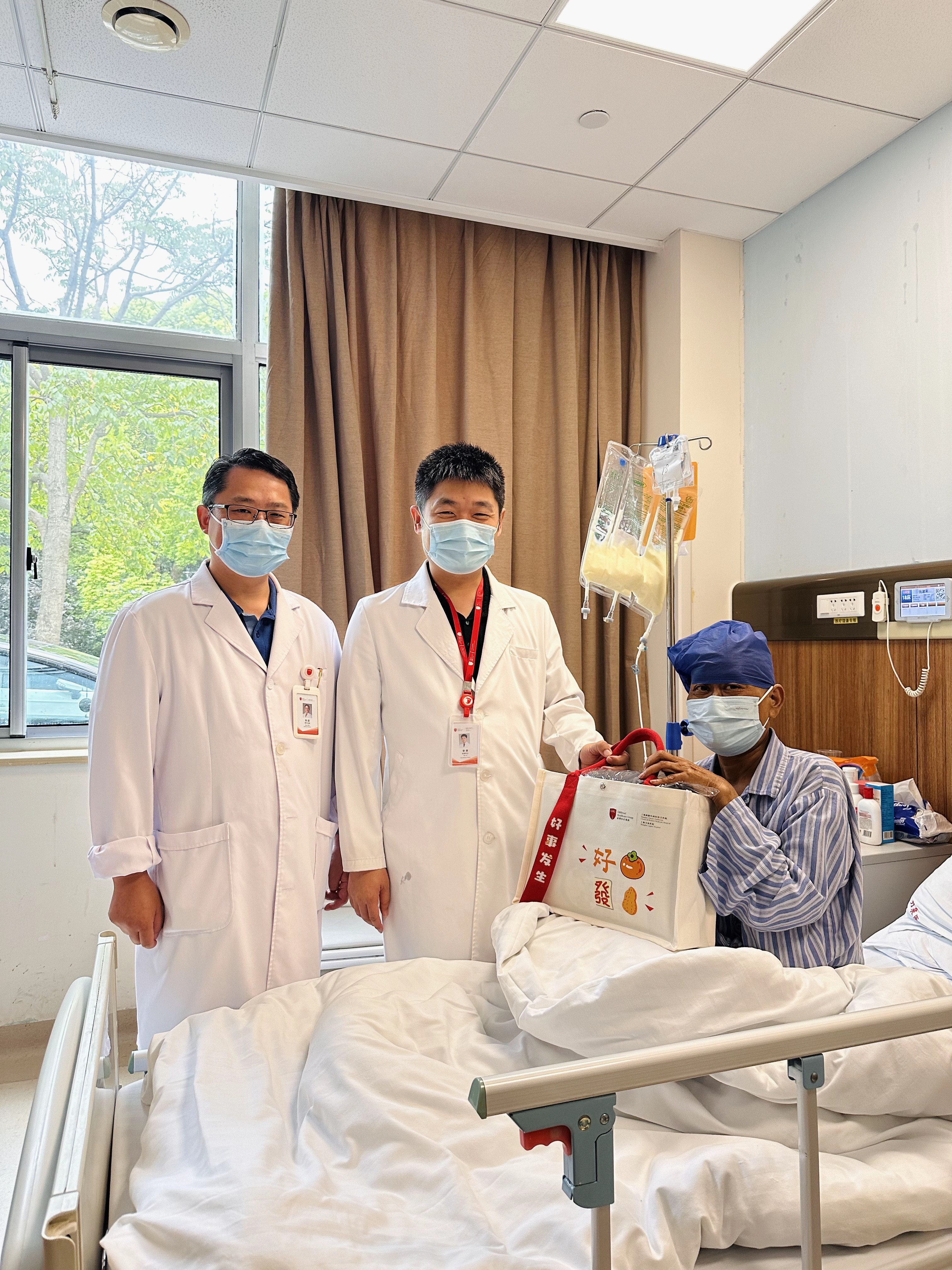
At the onset of September, GoBroad Medical Centre was thrilled to announce a piece of uplifting news — the first patient in Shanghai, China treated with the haematopoietic stem cell transplantation in conjunction with Zevorcabtagene Autoleucel ( also known as zevor-cel, a commercial BCMA-targeting CAR-T cell therapy product ), for refractory multiple myeloma (MM) has been successfully discharged from GoBroad Shanghai Liquan Hospital!
Ms. Qian, 57 years old, was unfortunately diagnosed with MM and has suffered greatly from the disease. After undergoing a series of dramatic treatments, she finally saw a glimmer of hope. The patient spent a crucial 26 days in the transplantation ward, during which the medical team at GoBroad Shanghai Zhaxin/Liquan Hospital, with their outstanding professional skills and attentive care, ensured the smooth progress of the treatment. Now, after a month of evaluating the treatment's effectiveness, exhilarating news has arrived: the patient's primary disease has reached complete remission (CR), and her physical condition is gradually improving. On the eve of her discharge, the medical team specially organized a brief and warm celebration ceremony for Ms. Qian, congratulating her on her rebirth! The patient and her families also expressed their profound gratitude to the medical team.
Disease Challenge: Highly Aggressive Plasmablastic MM
Ms. Qian's battle against cancer has been marked by both adversity and resilience. In November 2023, she urgently sought medical help due to a lump on her left cheek, which was accompanied by swelling and night sweats. The initial diagnosis struck like lightning—plasmablastic lymphoma. Confronted with this diagnosis, Ms. Qian promptly underwent a comprehensive offensive involving radiotherapy, chemotherapy, and targeted drug therapy. Despite these efforts, her condition persistently advanced and worsened, leading to a continuous decline in her physical health.
In April 2024, Ms. Qian arrived at GoBroad Shanghai Liquan Hospital, fueled by a desire for recovery and a fear of the unknown. Following a comprehensive and precise series of examinations, our hospital diagnosed her with a more complex and rare case of relapsed and refractory multiple myeloma with extramedullary infiltration (IgD-λ type, Durie-Salmon staging system stage IA, International Staging System stage I, Revised International Staging System stage III). The primary disease focus had spread to her lymph nodes and thoracoabdominal peritoneum, and had also invaded the right ischium.
MM is a malignant tumor that originates from plasma cells in the bone marrow, with extramedullary infiltration indicating that the tumor has spread to tissues beyond the bone marrow. Ms. Qian is afflicted with the IgD-λ type of myeloma, a particularly rare form characterized by low incidence, high aggressiveness, and poor prognosis, presenting significant challenges to her treatment journey. The disease has progressed rapidly, with extensive infiltration in the thoracoabdominal cavity and widespread involvement of lymph nodes, soft tissues, and bones throughout the body. This has led to her condition being classified as refractory myeloma, with a pathological type of a highly aggressive plasmablastic myeloma.
Treatment Strategy: The Potent Synergy of Autologous Transplantation and CAR-T Therapy
For relapsed and refractory MM, there is currently no standard therapeutic regimen available. Although the medical team has implemented a new chemotherapy regimen, which has temporarily controlled the disease, a more effective therapeutic regimen is urgently needed for achieving long-term deep remission. In light of this, the medical team promptly communicated with Ms. Qian and her families, and considering the patient's physical condition, they customized an advanced personalized treatment strategy—sequential autologous hematopoietic stem cell transplantation followed by BCMA CAR-T (Zevorcabtagene Autoleucel) cell therapy.
As Ms. Qian’s attending physician, Dr. Li Su, the head of the Hematology Department at GoBroad Shanghai Liquan Hospital, emphasized, “The purpose of autologous hematopoietic stem cell transplantation is to restore the patient’s own immune system, thereby rebuilding a strong defense foundation for the body. Following this, CAR T-cell therapy, which employs modern biotechnology to precisely engineer the patient’s own T cells, enables them to target and destroy tumor cells with missile-like precision. The integration of these two treatments not only has the potential to remodel the patient’s immune defenses but also to achieve thorough elimination of tumor cells, aiming for long-term control of the disease and infusing new vitality and hope into her life.”
Embarking on a New Chapter: From the Depths of Despair to a Reawakening of Hope
In June 2024, Ms. Qian successfully underwent lymphocyte collection. At the same time, her tumor load was significantly reduced through a carefully tailored chemotherapy regimen. Following a brief period of recuperation at home, Mrs. Qian stepped into the transplantation ward of GoBroad Shanghai Zhaxin Hospital in July, marking the beginning of a new chapter in her treatment journey.
The entire treatment process can be succinctly summarized into three closely interconnected steps: "Pre-transplantation conditioning (high-dose chemotherapy)" is designed to eliminate residual tumor cells within the body, thereby creating favorable conditions for stem cell transplantation; "Autologous hematopoietic stem cell transplantation" involves the infusion of the patient's own healthy stem cells to reconstruct the immune system; "Sequential CAR-T cell therapy" then involves the reinfusion of engineered T cells, targeting tumor cells with precision and potency.
During her treatment, Ms. Qian faced multiple challenges, including bacteremia, pulmonary infection, and gastrointestinal infection. In the face of these complications, the medical team responded promptly, implementing timely and effective anti-infective treatments, which successfully helped Ms. Qian navigate through these difficulties. As the treatment advanced, her symptoms of infection gradually subsided, and follow-up examinations revealed significant improvements in both the chest CT and intra-abdominal infections.
It is of particular note that Ms. Qian developed a reaction to cytokine release syndrome (CRS) following the infusion of CAR-T cells, with her temperature momentarily spiking to 41°C, alongside shivering. This represents one of the common immune responses associated with CAR-T cell therapy. Despite the concern it raises, this reaction also indirectly signifies the potent efficacy of CAR-T cell therapy. Thanks to the meticulous care and treatment provided by the medical team, Ms. Qian's temperature gradually stabilized, and the CRS reaction was effectively managed.
As time progresses, CAR-T cell therapy has showcased its remarkable therapeutic effects. On the 11th day following the sequential autologous hematopoietic stem cell transplantation and CAR-T cell therapy, the tumor in front of Ms. Qian's chest had significantly shrunk, with granulocyte recovery and hematopoietic function being restored; by the 14th day after the reinfusion of CAR-T cells, she was successfully discharged from the isolation unit and transferred back to the general ward of Liquan Hospital.
After 30 days of treatment, there came the exhilarating news: the bone marrow examination revealed no presence of tumor cells, and the hematological tumor markers had turned negative, indicating a state of CR. This not only signifies the rapid improvement in Ms. Qian's physical condition but also marks her regaining hope and brightness in life.
The innovative treatment strategy of sequential autologous hematopoietic stem cell transplantation followed by CAR-T cell therapy is progressively unveiling its significant potential in treating relapsed and refractory multiple myeloma. This therapy offers patients the prospect of achieving deep remission, potentially reaching the objective of a functional cure, thus providing a new hope for extending survival and enhancing the quality of life for patients at ultra-high risk and those with relapsed and refractory diseases.
Ms. Qian's path to rebirth not only demonstrates the profound strength and advanced technology of GoBroad Shanghai Zhaxin/Liquan Hospital in treating refractory multiple myeloma, but also offers hope and confidence to many other patients enduring the agony of this disease. Even when confronted with complex and changing conditions, it remains possible to find a path to overcoming the illness and achieving rebirth, through the application of innovative scientific treatments.
Zinaida Aleksandrovna, female, born in 1957, multiple myeloma, myeloma nephropathy.
This is a patient from Russia who was unfortunately diagnosed with light chain multiple myeloma. During her treatment in Russia, she suffered from renal failure and underwent long-term haemodialysis. All available conventional treatments, including chemotherapy, were tried locally, but the patient's disease remained unmanageable.
In the face of this challenge, CAR-T cell therapy, a cutting-edge treatment, offers her new hope. With its expertise and international reputation in the field of CAR-T cell therapy, GHG medical center is the ideal place for patients seeking advanced treatment. Not only is the hospital technologically advanced, but it also has a wide range of target options for CAR-T therapy that enable it to provide patients with personalised treatment plans.
Aleksandrovna's condition was already quite serious when she arrived at the hospital, with bone pain and renal insufficiency making her extremely weak. In order to give the patient the best possible treatment outcome and reduce her financial burden of travelling across the country, the medical team quickly formulated a sequential B-cell maturation antigen (BCMA)-CART and G protein-coupled receptor class C group 5 member D (GPRC5D)-CART treatment plan for her and completed the treatment in just three weeks.
After two weeks, the patient underwent an efficacy assessment, which showed a more than 90% decrease in M protein and significant improvement in urinary light chain level and serological markers, achieving partial remission (PR). There was a mild cytokine release syndrome (CRS) response to the treatment, but the patient was in good overall condition.
Overall, this patient achieved remarkable results from her treatment at GHG medical center. The cutting-edge CAR-T cell therapy technology provided by the hospital, coupled with the deep concern for the patient's life, achieved a major breakthrough in treatment results and brought the patient the possibility of regaining her life. This not only reflects the hospital's expertise in the field of multiple myeloma treatment, but also demonstrates the important role of international medical cooperation in improving the quality of life of patients.
A 64-year-old Russian woman experienced long-term treatment and multiple relapses after being diagnosed with multiple myeloma in 2014. Despite multiple rounds of chemotherapy, her condition deteriorated again in 2023, manifested by severe bone pain, weakness in her lower extremities and even symptoms of high paraplegia which led to inability to walk and incontinence of urine and feces. Upon visiting GHG medical center, she was diagnosed with relapsed or refractory multiple myeloma(RRMM) with extramedullary infiltration and spinal cord compression.
The GHG medial team quickly developed a treatment plan including relief of the spinal cord compression by chemotherapy, followed by mBCMA-CAR-T immunotherapy. The patient's muscle strength and sensation in her lower extremities began to recover slowly after chemotherapy, and her urination and defecation function gradually improved. After CAR-T therapy, the spinal cord function recovered further, with the muscle strength improving to IV+, normal urination and defecation function, and very good partial response(VGPR) as assessed by RRMM after 26 days of treatment.
In February 2024, the patient was discharged from the hospital from being completely wheelchair dependent to being able to walk slowly. The outcome was highly satisfactory to the patient and her family. The team also provided suggestions on rehabilitation and maintenance treatment after discharge to ensure that the patient can better return to normal life later on.
A 22-year-old guitarist presented to GHG Medical Center due to recurrent epistaxis in April 2021 and was diagnosed with myelodysplastic syndrome(MDS) upon completion of relevant examinations. In June 2021, the patient successfully underwent an allogeneic hematopoietic stem cell transplant, and had grade 4 intestinal rejection 1 month and 6 months after transplantation, respectively. Because of the inability to take food from the gastrointestinal tract, the patient could only receive parenteral nutrition, which was a great challenge to energy consumption, protection of body organs and control of various complications. Upon active treatment by the GHG medical team, the patient finally overcame the rejection. More than 2 years after the allogeneic transplant, the patient completed the follow-up and achieved a complete remission to the primary disease and good condition. The patient went back to normal work and life.
"I uneventfully went out of the transplant ward after more than 20 days. At that time, I was very optimistic, but I was really afraid that I had severe intestinal rejection after I went out of the warehouse. My attending doctor is the best doctor I've ever met in any hospital. In the hospital, I called her when I was uncomfortable, and she would come over and gently ask:" Baby,what's wrong with you?" I stayed in the hospital for so long, with a good mood and mentality thanks to the help of the doctor. She would answer my questions when I was not feeling well after I came home. Thanks to the GHG medical team for saving my life and healing my physical and mental ailments."